


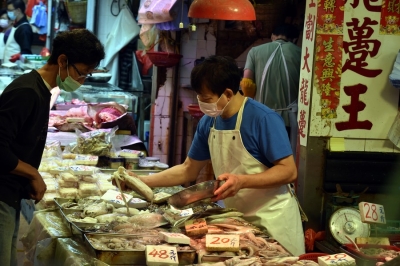
Rising grain and input costs attributed to the Iran conflict are causing an increase in animal feed prices in China, impacting hog producers already struggling with low demand and pork prices at a 16-year low. Soymeal prices surged by 7% or over 200 yuan per tonne in March, while corn prices rose by 4% or around 100 yuan per tonne. China, being the largest pig market globally, heavily relies on two primary feed ingredients – soymeal and corn.
Futures for soymeal and corn on the Dalian exchange have reached multi-month highs since the conflict began on February 28, partly due to elevated oil prices, freight rates, and escalating fertilizer expenses, as per analysts cited in a Reuters report. An analyst highlighted that various other hog feed inputs like lysine, methionine, fishmeal, and vitamins A and E have surged by 6% to 77% this month.
Chinese hog producers, who represent half of the world’s pig population, are grappling with declining pork prices due to excess capacity and reduced demand. Cash prices have plummeted to 9.69 yuan per kg, marking a 16-year low, as reported by JCI. It currently costs 12.2-12.5 yuan per kg to raise a hog weighing about 60-62.5 kg, resulting in farmers facing losses ranging from 280 to 350 yuan for each pig sold, according to an analyst.
Smaller farmers, constituting less than 30% of China’s pig market, are at risk of closure due to their susceptibility to price fluctuations resulting from their limited scale. The report highlighted the case of a 600-head pig farmer in northern Hebei province who has been operating at a loss for a year, even before the significant increase in feed costs observed in March. Chinese authorities have been taking measures since 2025 to address overcapacity issues, including urging breeders to reduce sow numbers and manage slaughter rates, alongside recent actions such as purchasing frozen pork for state reserves to stabilize prices.
