


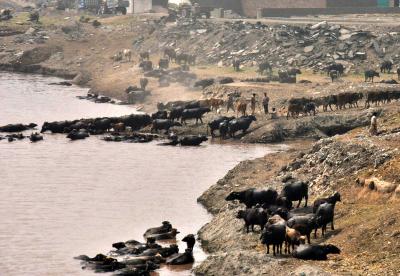
The contamination crisis affecting rivers in Pakistan, including the Ravi, Sutlej, Kabul, Swat, and lower Indus water systems, reveals severe environmental neglect and a breakdown in enforcement mechanisms and urban planning. Despite warnings from experts and regulatory bodies like the Indus River System Authority (IRSA), pollution continues to spread unchecked, leading to contaminated drinking water, damaged farmland, and health risks for millions of Pakistanis.
The situation has escalated to the point where rivers and lakes vital for agriculture and communities are now channels of industrial waste and chemical contamination. The pollution has rendered water sources unfit for consumption, fishing, and irrigation in various regions of Pakistan, posing a significant threat to public health and exacerbating existing environmental challenges.
The crisis is not just about water scarcity but also about the poisoning of freshwater resources due to weak regulation and unchecked industrial discharge. The deteriorating condition of the Indus Basin Irrigation System underscores governance failures that jeopardize public health, agriculture, and food security in the country. The pollution crisis highlights the urgent need for stronger environmental oversight and regulatory measures to address the contamination of Pakistan’s rivers and safeguard public health.
