


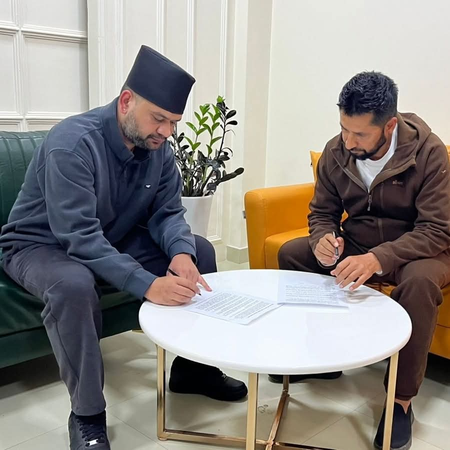
As Nepal’s Prime Minister’s visit to India faces uncertainty, Rabi Lamichhane, President of the ruling Rastriya Swatantra Party (RSP), is expected to travel to New Delhi in early June. The party’s office bearers mentioned that although the visit has not been officially announced by either side, Lamichhane is likely to make the trip. RSP spokesperson Manish Jha indicated that an official decision is pending but assured that an announcement will be made soon.
Lamichhane’s planned visit to New Delhi comes at a time of escalating tensions between Kathmandu and New Delhi. Recent actions by both countries have led to friction, including Nepal’s protests over Indian pilgrims visiting Kailash Mansarovar via a disputed region and Nepal’s enforcement of customs duties on goods from India. The visit is seen as an opportunity to address bilateral issues amid the strained relationship.
The visit by the RSP President is viewed as a positive step towards discussing mutual concerns between Nepal and India. While the official agenda of the visit has not been finalized within the party, it is expected to focus on key issues affecting both nations. The relationship between the two countries has been strained by various disputes, including trade-related issues and nationalistic sentiments, which have impacted bilateral ties.
Prime Minister Balendra Shah of Nepal, who was invited by PM Modi to visit India, has not shown immediate interest in the trip. Shah, who assumed office in March, is reportedly waiting to complete at least 100 days in office before undertaking foreign visits. Nepal’s Foreign Ministry has indicated that Shah’s visit to New Delhi will occur after addressing pending bilateral issues and achieving a mutual understanding on key agenda items.
Former Nepali ambassador to India, Lok Raj Baral, highlighted the importance of building political understanding between Nepal and India through the RSP President’s visit. Despite unresolved bilateral issues, the visit is seen as an opportunity to strengthen ties between the two nations. Baral emphasized the need to prioritize national interests over rigid adherence to protocol in foreign relations.
