


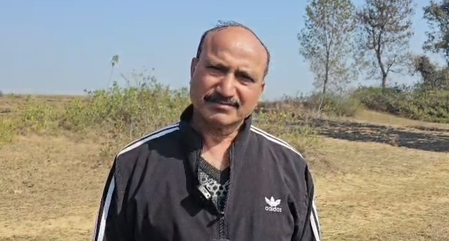
As the VB-G RAM G scheme sparks a political debate nationwide, contrasting responses are emerging from rural India. In Hazaribagh district, Jharkhand, while the Congress protests against the scheme, local workers and farmers see it as a beacon of hope for employment and income security. The scheme has garnered enthusiasm in several villages, with laborers viewing it as a solution to the shortcomings of the MGNREGA.
Workers in Hazaribagh highlight the increase in guaranteed workdays under VB-G RAM G, from 100 to 125 days annually, as a key feature that could provide more consistent employment and boost household incomes. They express appreciation to Prime Minister Narendra Modi for introducing the scheme, attributing the opposition to the inclusion of the word “RAM” in its name.
The mandatory use of geo-tagging and biometric systems under VB-G RAM G is welcomed by workers as a step towards transparency, aiming to prevent fake work entries and wage misappropriation. Villagers also see the provision of timely employment within 7 to 15 days as a potential game-changer, reducing distress migration to cities and strengthening local economies by increasing cash flow.
For the workers and farmers in Hazaribagh, VB-G RAM G represents more than just a welfare scheme; it symbolizes stability and dignity. They believe that if implemented honestly and transparently, the scheme has the potential to transform rural life and bolster village economies, despite the ongoing political debate at the national level.
