


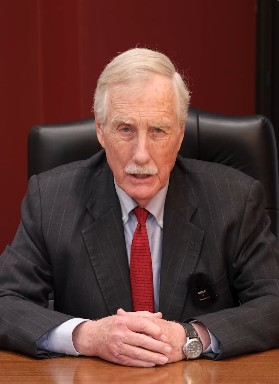
Russia has unexpectedly gained economically from the conflict involving Iran, reaping billions of dollars due to the surge in global oil prices, as highlighted by a US Senator during a Senate Armed Services Committee hearing. Senator Angus King of Maine pointed out that Moscow has emerged as a significant beneficiary of the war, with estimates suggesting that Russia has already earned around $6 billion in additional revenue since the conflict’s onset. The spike in oil prices post the conflict has reportedly resulted in Russia making approximately $400 million in extra revenue daily.
The hearing also addressed broader geopolitical implications of the Middle East conflict, including disruptions to global energy markets and maritime trade routes. General Randall Reed, Commander of US Transportation Command, expressed concerns about the instability in the Persian Gulf and shipping routes, emphasizing the critical role of the Strait of Hormuz, through which nearly one-fifth of global petroleum supplies pass annually. The conflict has raised worries about maritime security and supply chains, with US Transportation Command collaborating closely with commercial shipping companies to ensure supply line continuity during military operations.
Lawmakers at the hearing also raised issues regarding potential exploitation of vulnerabilities in commercial infrastructure supporting military logistics by adversaries. Pentagon’s efforts to enhance cybersecurity protections in partnership with private sector entities were acknowledged. The discussion underscored how regional conflicts can have extensive global economic repercussions beyond the immediate battlefield.
