


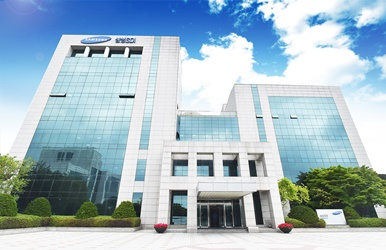
Samsung SDI reported a net loss of 207.8 billion won ($142.4 million) in the fourth quarter of 2025, attributing it to slow electric vehicle demand in the United States. Despite this, the company’s energy storage system (ESS) business helped mitigate the losses. Operating loss for the quarter was 299.2 billion won, with sales increasing by 2.8 percent to 3.85 trillion won.
In specific sectors, the battery business of Samsung SDI recorded an operating loss of 338.5 billion won, while the electronic materials sector saw an operating profit of 39.3 billion won. The ESS business achieved its highest quarterly revenue, and benefits from the U.S. Advanced Manufacturing Production Credit (AMPC) aided in reducing losses.
For the entire year of 2025, Samsung SDI reported a net loss of 584.9 billion won, a significant shift from the previous year’s net profit of 575.5 billion won. The company also noted an operating loss of 1.72 trillion won for the year, with annual sales declining by 20 percent to 13.26 trillion won.
Samsung SDI emphasized its efforts to enhance technology competitiveness by collaborating with BMW AG from Germany to validate all-solid-state battery technology. Additionally, it signed an agreement with Hyundai Motor Group to develop batteries for robots. The company anticipates growth in the ESS market due to increasing demand from the artificial intelligence (AI) sector.
Looking forward, Samsung SDI foresees growth in the ESS market driven by the AI industry. It expects a rise in demand for small batteries, particularly in professional power tools and AI data center construction. The company aims to improve management efficiency, enhance customer responses, and prepare for future technologies to facilitate a business turnaround.
