


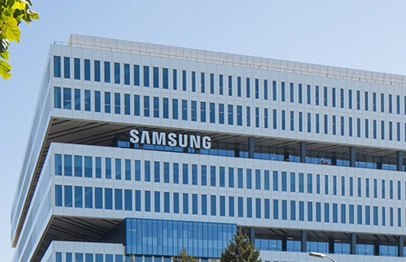
The Bank of Korea (BOK) has warned that a potential general strike at Samsung Electronics Co. might reduce South Korea’s economic growth by 0.5 percentage points this year. A closed-door report estimated that the strike could lead to losses of around 30 trillion won (US$20 billion) and could take up to three weeks to resume production if the company’s memory chip lines halt completely. South Korea’s economy, which saw a 1.7 percent expansion in the first quarter driven by semiconductor exports, had a growth projection of 2 percent for 2026.
Unionized workers at Samsung are planning an 18-day large-scale strike starting Thursday, with over 50,000 members expected to participate. The strike aims to secure higher bonuses linked to the company’s operating profit. In efforts to avoid the strike, Samsung and its largest labor union have engaged in government-led wage mediation, with negotiations ongoing to resolve differences over performance-based bonuses related to the tech giant’s semiconductor business.
Despite the ongoing global memory supercycle, labor and management at Samsung are at odds over bonus structures. The National Labor Relations Commission expressed optimism about a potential agreement, noting progress in narrowing differences during negotiations. While Samsung proposed maintaining the current excess profit incentive system and introducing a more flexible compensation structure, the union is demanding fixed performance bonuses equal to 15 percent of the semiconductor division’s operating profit without payout caps.
