


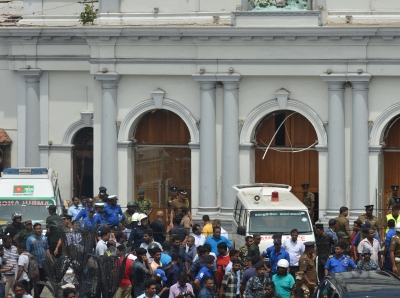
The fall of the National Thowheed Jamath (NJT), responsible for the 2019 Easter bombings in Sri Lanka, has brought relief to security agencies. Despite being defunct, former NJT members are reportedly attempting a revival, focusing on South India. Intelligence inputs indicate a plan to form small radical groups in states like Kerala and Tamil Nadu.
Officials highlight the NJT’s historical ties to South India, with founder Bahrain Hashim having radicalized youth in the region. The outfit’s connection to incidents like the car bomb explosion in Coimbatore underscores its presence in the area. Operatives linked to the NJT are reportedly seeking to exploit the void left by the banned Popular Front of India (PFI) for radicalization efforts.
The operatives, in touch with Islamic State members, aim to collaborate with former PFI affiliates for localized radicalization campaigns. While not aiming for large-scale operations, they plan to quietly radicalize smaller groups in various settings. The ultimate goal is to create a widespread radical movement, potentially posing a significant threat if unchecked.
These individuals aspire to instigate a mass radicalization movement, targeting the youth to act independently in furthering radical ideologies. Security agencies are vigilant against such attempts to alter public mindsets, recognizing the potential dangers posed by silent radicalization efforts.
