


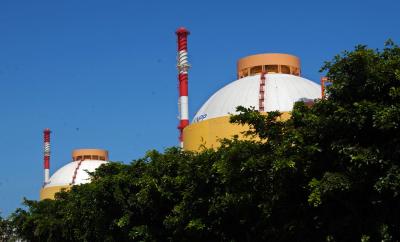
The SHANTI Bill 2025 aims to enhance India’s nuclear power sector, boosting project execution efficiency. Infomerics Ratings views this bill as a positive step for addressing historical obstacles to nuclear capacity growth, such as liability and participation constraints. By FY2032, India’s nuclear capacity is projected to reach around 22 GW, considering ongoing and planned projects.
The SHANTI Bill 2025 replaces the Atomic Energy Act, 1962, and the Civil Liability for Nuclear Damage Act, 2010, with a comprehensive legal framework governing nuclear development, safety, security, safeguards, and liability. Under this bill, authorized entities can undertake activities like building, operating, and decommissioning nuclear plants, as well as fabricating nuclear fuel.
With increasing net-zero commitments and electricity demand, nuclear energy is seen as a crucial element in India’s future energy mix. The bill introduces liability caps for operators and limits supplier recourse to specific situations, reducing risks and enhancing investor confidence for future nuclear projects. However, the growth of nuclear power will also hinge on factors like tariff competitiveness and the establishment of a robust domestic vendor ecosystem.
As India’s nuclear capacity expands, ensuring long-term sovereign-backed fuel supply arrangements, strategic reserves, and domestic fuel-cycle infrastructure development will be vital. These measures are essential for supporting the growth of nuclear energy in the country.
