


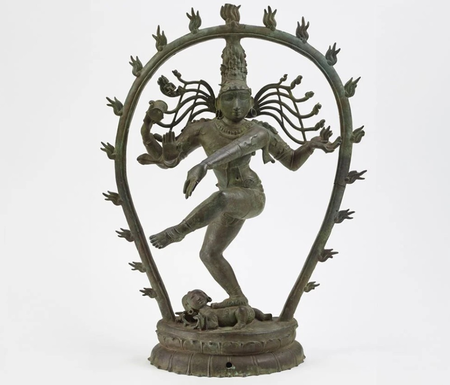
The Smithsonian’s National Museum of Asian Art has decided to return three significant South Indian bronze sculptures to India. These sculptures, including a Chola-period “Shiva Nataraja,” were found to have been unlawfully taken from temple settings many years ago. While two sculptures will be returned, the “Shiva Nataraja” will remain in the U.S. on a long-term loan agreed upon with the Indian government.
These sculptures, which are considered important examples of South Indian bronze-casting traditions, were originally used as sacred objects in temple processions in Tamil Nadu. The decision to return them follows a thorough investigation of the museum’s South Asian collections, confirming their illegal removal from India.
The museum’s director emphasized the institution’s commitment to responsible cultural heritage stewardship and transparency in collection practices. The return of these sculptures is a result of meticulous research and demonstrates ethical museum conduct. The museum expressed gratitude to the Indian government for allowing the continued display of the “Shiva Nataraja” for the benefit of visitors.
The museum is collaborating with the Embassy of India to finalize the return process, supported by its provenance team, curators, and international research partners. Provenance research, which involves physical examination and documentary review, was crucial in establishing the ownership history of these sculptures and their unlawful acquisition.
