


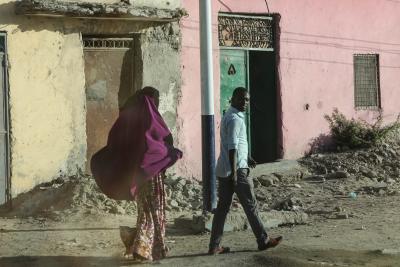
Somalia is experiencing a deepening humanitarian crisis, driven by a mix of prolonged drought, potential El Nino-related floods, and severe economic impacts from Middle East conflicts, as warned by the Food and Agriculture Organisation of the United Nations (FAO). The FAO highlighted that the economic disruptions have led to inflation, pushing up prices of essential goods and services, making them unaffordable for vulnerable families and disrupting local markets. In Mogadishu, the capital of Somalia, fuel prices have surged from around 0.60 US dollars to 1.50 dollars per litre, exacerbating the situation.
The rise in fuel costs has triggered inflation across various sectors like food, transport, utilities, and services, significantly raising logistics expenses, stated Gordon Dudi, the FAO Food Security Cluster Coordinator. The constrained global funding environment, combined with changing donor priorities, has reduced operational effectiveness and increased the risk of reduced humanitarian aid. Recent data from FAO’s Somalia Water and Land Information Management (SWALIM) indicates that while some parts of the country have received relief from recent rainfall, the Shabelle River in Jowhar remains at dangerously high levels.
Southern and central coastal regions of Somalia are still grappling with severe water shortages, with Southwest State facing acute drought conditions, according to the report. Bethwell Mutai, SWALIM’s lead meteorologist, mentioned that although the Ethiopian highlands are expected to have manageable rainfall and surface runoff until May, an El Nino event is predicted to emerge in mid-2026, intensifying by year-end. The looming El Nino is likely to shift concerns from drought to flood risks, especially along the Juba and Shabelle rivers, the nation’s primary water bodies.
Mutai emphasized the importance of continuing support for drought-affected communities while preparing for potential floods and fuel scarcities. FAO Somalia Representative Etienne Peterschmitt stressed the need for sustained humanitarian aid through 2026 and into 2027 to alleviate current suffering, aid affected populations in recovering from drought, and brace for the impacts of El Nino.
