


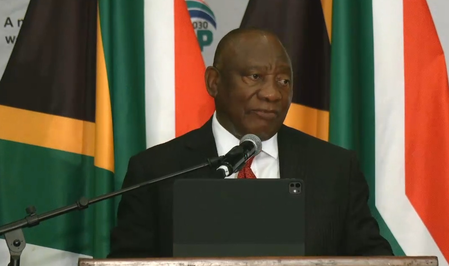
As Africa Month kicks off, South African President Cyril Ramaphosa has reiterated the need for reparations for slavery. Ramaphosa highlighted the long-term economic harm caused by centuries of exploitation and resource plundering in Africa. He emphasized that reparations should involve more than just financial compensation, including increased foreign investment, market access, technology transfers, skills development, and the return of stolen artifacts. Ramaphosa linked the continent’s current debt challenges to the historical legacy of slavery and colonial exploitation, stressing the importance of addressing these issues for Africa’s development goals.
Ramaphosa condemned the dehumanizing practices of the slave trade, noting that it not only enslaved millions but also enriched colonial powers through land seizures and resource extraction. He pointed out that the wealth amassed from these practices was further boosted by the theft of cultural artifacts, many of which are still held in European museums. The President’s statements come in the wake of a UN resolution recognizing slavery as a severe crime against humanity, with the majority of nations supporting measures for reparatory justice, including apologies, compensation, and restitution. However, some countries, including the United States, Israel, and Argentina, opposed the resolution, while EU members abstained from voting.
Highlighting the brutality of the transcontinental slave trade, Ramaphosa underscored the inhumane treatment of millions of Africans who were captured, traded, and dehumanized for over a century. He emphasized that these individuals were treated as possessions rather than human beings, reflecting on the deep scars left by this dark chapter in history.
