


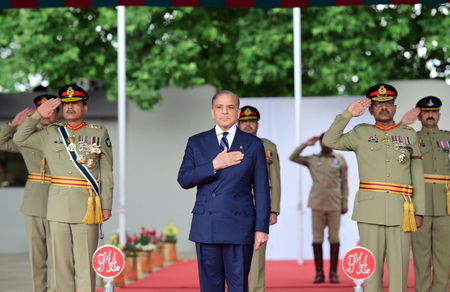
The South Asian region is experiencing heightened tensions with deadly clashes and increased refugee flows, driven by Pakistan’s military establishment. A report highlighted that the conflict between Afghanistan and Pakistan has been sustained by a military-centric diplomatic approach that lacks accountability. Islamabad’s military strategy has not effectively secured borders or fostered goodwill internationally, leading to humanitarian crises and regional instability.
The report emphasized that the ongoing conflict is a result of Pakistan’s military-centric diplomacy, focusing on crisis management and national security posturing rather than genuine dialogue. The military’s control over foreign policy has hindered peace efforts, escalating one-sided violence. Despite initial hopes of a strategic partnership with a Taliban-led Afghanistan, Pakistan’s accusations of Taliban support for militants have strained relations and escalated violence.
Pakistan’s military-driven policy on Afghanistan has failed to achieve peace with the Taliban over the past four years, with efforts at negotiations collapsing due to deep-rooted distrust. The report noted that Pakistan aims to maintain influence through orchestrating crises and coercion, rather than diplomatic solutions. Recent warnings to the Taliban underscore the military’s preference for strength over diplomacy in shaping regional dynamics.
