


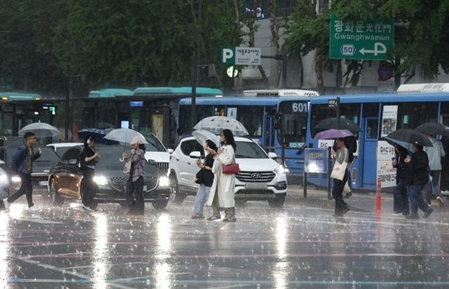
The South Korean government is set to enforce a mandatory five-day vehicle rotation system for the public sector in response to potential oil supply disruptions due to ongoing tensions in the Middle East. This system, based on license plate numbers, divides cars into five groups, with each group restricted from driving on a specific weekday. Electric and hydrogen vehicles are exempt from these restrictions.
To ensure compliance, the government will intensify monitoring of the public sector’s adherence to the rationing system. Penalties will be imposed on public institutions failing to follow the regulations. Approximately 1.5 million vehicles will be affected by these stricter rules, aiming to save around 3,000 barrels of crude oil daily, out of South Korea’s total consumption of 2.8 million barrels per day.
In light of the heightened alert level for potential oil supply disruptions, the government plans to encourage private sector participation in the program voluntarily. If a Level 3 national resource crisis alert is issued, the system may become mandatory for the private sector as well. This decision follows the recent increase in the national alert level to Level 2 within South Korea’s resource security crisis warning system.
Moreover, the government will urge the top 50 oil-consuming companies to develop energy-saving strategies and offer incentives for meeting consumption reduction targets. It will also suggest adjustments to working hours for public institutions and large corporations to help balance traffic demand and promote efficient energy use. South Korea previously implemented a similar vehicle rotation system for the private sector during the Gulf War in 1991.
In addition to the vehicle rotation measures, the government plans to relax restrictions on coal-fired power generation during periods of low fine dust levels. Efforts are also underway to expedite the reactivation of five nuclear reactors currently undergoing maintenance to reduce reliance on liquefied natural gas, which is impacted by the Middle East crisis.
