


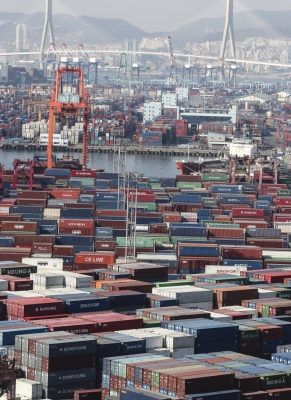
South Korea is starting to feel the effects of the prolonged conflict in the Middle East, leading to higher consumer prices despite strong export performance, the finance minister revealed. Finance Minister Koo Yun-cheol chaired a meeting in Seoul with economy-related ministers to address the economic challenges arising from the geopolitical crisis in the Middle East. He emphasized the need for proactive steps to stabilize supply chains amidst the evolving situation.
Koo highlighted South Korea’s resilience in the face of crises, citing record exports, current account surpluses, and robust stock market performance. However, he acknowledged the tangible impact of the prolonged war on the real economy and people’s daily lives. The government aims to mitigate the challenges posed by the Middle East crisis on livelihoods by closely monitoring domestic and international developments.
Expressing appreciation for local gas stations’ cooperation with the government’s fuel price ceiling scheme, Koo noted that market prices are currently below the set limit. He disclosed plans for formulating an economic growth strategy for the latter half of 2026, focusing on enhancing the country’s economic security by drawing insights from the Middle East conflict. South Korea will assess economic changes, including the semiconductor industry boom, and implement measures to address economic disparities.
The government is set to unveil the growth strategy for the second half by the end of June, according to the ministry. In a separate meeting with real estate-related ministers, Koo emphasized the government’s commitment to stabilizing the property market through various measures. He stressed the critical importance of promptly increasing housing supply and pledged to expedite the process of providing more homes to the public. Additionally, Koo highlighted the government’s vigilance against unfair practices in the real estate sector, underscoring the enforcement of strict actions.
