


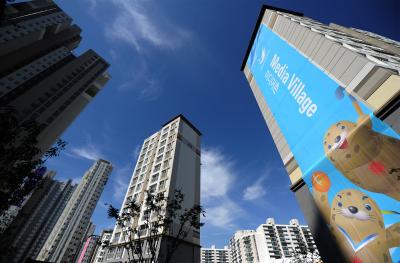
The number of South Koreans moving to new homes in November hit a 51-year low, with around 428,000 people relocating, marking an 8.2 percent drop from the previous year. This decline is attributed to slow housing transactions and demographic shifts, as reported by the Ministry of Data and Statistics.
The decrease in population mobility is influenced by factors like an aging and shrinking population, along with fluctuations in housing transactions and apartment supply. Seoul experienced a net outflow of 5,504 residents in November, while Incheon and Gyeonggi Province saw net gains of 1,902 and 2,789 residents, respectively.
South Korea’s consumer sentiment also took a hit in December, registering the largest decline in about a year. The composite consumer sentiment index dropped to 109.9 this month, down 2.5 points from November, mainly due to rising inflation and a weakening local currency, according to the Bank of Korea.
Amid concerns over price hikes in essential goods and external uncertainties, such as exchange-rate volatility and AI industry developments, consumer worries have escalated. A reading above 100 on the sentiment index indicates optimism prevailing over pessimism, while a figure below 100 suggests the opposite trend.
