


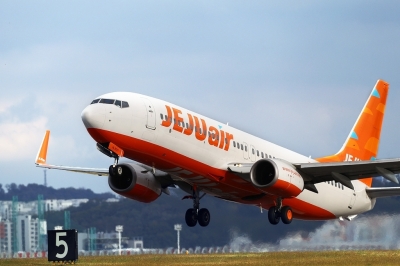
South Korean low-cost carriers have slashed 900 round-trip flights and implemented emergency measures like unpaid leave due to soaring fuel prices caused by the ongoing Middle East conflict. The surge in jet fuel prices, a result of the U.S.-Iran tensions, has led to these drastic cuts in flight operations. Jeju Air Co., the largest budget airline in South Korea, has decided to cut 187 international flights, which accounts for 4 percent of its total operations, on various routes during May and June.
Jin Air Co. has also reduced 176 round-trip flights to destinations such as Guam and Phu Quoc until the end of the month, with further cuts expected once their June schedule is finalized. Asiana Airlines Inc., a full-service carrier, has cut 27 round-trip flights on multiple routes, including Phnom Penh and Istanbul, until July following the outbreak of the conflict in the Middle East.
Korean Air Co., the largest carrier in South Korea, is closely monitoring the situation under an emergency management system but has not made any flight operation adjustments yet. The weakening travel demand for medium- and long-haul routes due to increased fuel surcharges has put pressure on airlines, leading to the need for emergency measures and cost-cutting strategies.
Jet fuel prices have surged by 2.5 times since the conflict began, with the average Singapore jet fuel price, a benchmark for fuel surcharges, rising significantly. The impact of the conflict is expected to lead to losses for many airlines in the second quarter as oil prices soar, travel demand shrinks, and the Korean won weakens. Budget airlines, in particular, face financial vulnerabilities compared to major carriers, with some already experiencing financial challenges.
