


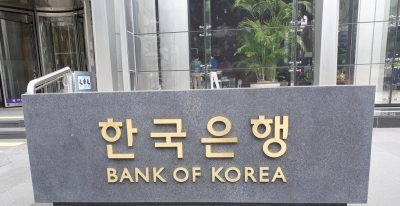
Daily foreign exchange trading by South Korean banks reached a record high last year, driven by increased cross-border stock trading, as per data from the Bank of Korea. The average daily FX turnover, including derivatives trading, amounted to US$80.71 billion in 2025, marking a 17% increase from the previous year’s $68.96 billion. This surge represented the highest annual level since the central bank began compiling such data in 2008.
Amid extended foreign exchange market trading hours, stock investment-related trading by residents and foreign investors saw a significant rise, noted a BOK official. Average daily spot FX turnover rose by 26.1% year-on-year to $32.38 billion in 2025, while derivatives trading grew by 11.6% to $48.33 billion during the same period. Residents’ overseas stock investment in the first 11 months of the year totaled $129.4 billion, surpassing the previous year’s $72.2 billion.
Foreign investors also significantly increased their investment in South Korean stocks, with a 129% year-on-year jump to $50.4 billion in 2025, according to BOK data. A survey by the central bank revealed that over a quarter of financial experts believe that heightened volatility in the foreign exchange market poses the biggest risk to South Korea’s financial system. Additionally, 16% of respondents identified high household debt as the second-largest risk to the financial system.
Financial experts cited the South Korean won trading below the multiyear low of 1,450 won to the greenback due to capital outflows from increased overseas stock investment and geopolitical risks from the Middle East and Europe. They also highlighted uncertainties in economic and monetary policies of major economies and global asset market adjustments as external factors that could impact the financial system. The survey further indicated that 12% of experts foresee a high likelihood of a short-term shock within a year that could undermine the financial system.
