


South Korea’s Cabinet has given the green light to amend certain sections of the Constitution, paving the way for the National Assembly to vote on the proposed changes. The amendment, if endorsed by lawmakers, will then be subject to a national referendum. The move follows a joint proposal by 187 ruling party lawmakers and five minor parties to enhance the criteria for declaring martial law and incorporate the essence of previous pro-democracy movements into the Constitution.
President Lee Jae Myung is now mandated to publicly announce the proposed amendment for a minimum of 20 days to allow citizens to review it. Subsequently, the National Assembly must vote on the bill within 60 days of the public notice, requiring a two-thirds majority for passage. If approved between May 4 and 10, a national referendum could coincide with the June 3 local elections, necessitating both a majority turnout and approval for final ratification.
The proposed amendment seeks to acknowledge the 1980 pro-democracy uprising in Gwangju and the 1979 Busan-Masan pro-democracy protests in the preamble. Currently, the Constitution references the spirit of the 1960 April 19 revolution, which ousted South Korea’s first president, Rhee Syng-man, due to election malpractice. Additionally, the amendment aims to impose stricter conditions for declaring martial law, mandating prompt parliamentary approval by the president and stipulating that any rejection or failure to approve within 48 hours will annul the martial law declaration.
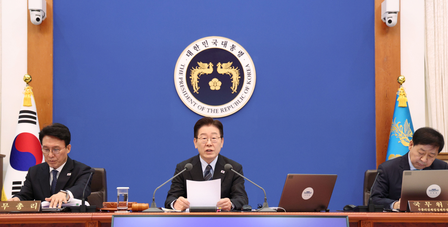
During a recent Cabinet meeting, President Lee emphasized the importance of bipartisan backing for the constitutional revision to align with societal transformations since the last amendment in 1987. He highlighted the consensus on revising the Constitution to reflect contemporary societal dynamics and stressed the necessity of bipartisan collaboration for successful constitutional amendments. President Lee expressed optimism about holding the referendum in conjunction with the upcoming local elections, citing agreement among political factions on incorporating key pro-democracy movements and tightening martial law imposition regulations.
