


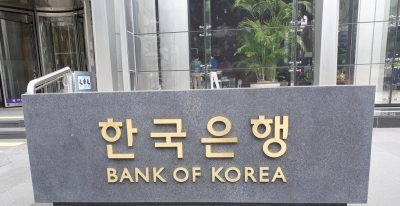
South Korea’s central bank decided to keep its benchmark interest rate unchanged at 2.5 percent, aiming to ensure financial stability in light of a weak local currency and an unstable housing market. This decision, the sixth consecutive hold, comes as the Bank of Korea remains in an easing cycle, having reduced the rate by 100 basis points since October 2024.
The Bank of Korea is adopting a cautious approach, observing the economy’s recovery driven by strong exports during a semiconductor upcycle. Despite the positive economic outlook, concerns persist over the volatile property market and increasing household debt. Seoul’s apartment sale prices surged by 8.98 percent in 2025, with continued price hikes despite regulatory efforts to cool the market.
President Lee Jae Myung has emphasized the need to stabilize the real estate sector, attributing many national issues to real estate matters. The central bank also raised its growth forecast for the local economy to 2 percent for the year, citing robust exports and a rebound in private consumption. Additionally, the Bank of Korea adjusted its inflation forecast to 2.2 percent due to escalating global oil prices driven by geopolitical tensions.
