


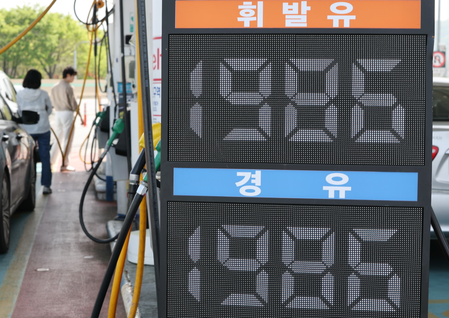
South Korea experienced a significant surge in consumer prices in April, marking the fastest increase in 21 months. According to data from the Ministry of Data and Statistics, consumer prices rose by 2.6 percent compared to the previous year. This surge, the largest since July 2024, was primarily driven by a substantial increase in fuel costs, particularly petroleum products.
The price of petroleum products soared by 21.9 percent from the previous year, the sharpest rise since July 2022. Notably, diesel and gasoline prices also saw significant jumps of 30.8 percent and 21.1 percent on-year, respectively. Global oil prices spiked due to disruptions in oil supplies caused by the closure of the Strait of Hormuz following U.S.-Israeli strikes on Iran.
To mitigate the impact of the Middle East conflict on consumer inflation, South Korea implemented temporary price caps on fuel products. These measures, introduced in March, aimed to control price hikes by setting maximum prices for fuel products every two weeks based on global oil price fluctuations. While these measures helped stabilize fuel prices and overall consumer inflation, a slight increase in fuel prices is anticipated for May.
First Vice Finance Minister Lee Hyoung-il reported that price stabilization initiatives, including fuel price caps and a temporary fuel tax cut, reduced overall inflation by 1.2 percentage points. Additionally, industrial product prices surged by 3.8 percent, the fastest growth since February 2023, while service prices increased by 2.4 percent due to higher insurance costs.
Rising oil prices also impacted air travel costs, with fuel surcharges driving international airfares significantly higher. In April, international flight costs surged by 15.9 percent compared to the previous month, while domestic airfares rose by 0.8 percent. The Ministry expects domestic airfares to further increase in May due to the ongoing rise in fuel prices.
