


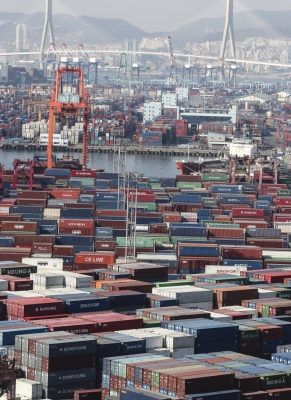
South Korea witnessed a decline in industrial output in April compared to the previous month, as reported by the Ministry of Data and Statistics. The mining and manufacturing sector, a significant part of the economy, experienced a 0.7 percent decrease, particularly due to a 10 percent fall in automobile production. However, the chip sector saw a 3.1 percent increase in production.
Output from the oil refining industry plummeted by 19.4 percent, marking the most substantial drop since 1988, attributed to disruptions caused by tensions related to the U.S.-Iran conflict. Additionally, the service sector’s output dipped by 1 percent in April, with finance and insurance businesses showing a 7.7 percent decline.
The retail segment also faced a setback with a 1.5 percent decrease, while the information and telecommunications sector saw a notable 4.3 percent rise in output. The data ministry’s senior official, Lee Doo-won, mentioned that these figures were influenced by both previous gains and the Middle East conflict, although a positive year-on-year trend was noted.
Retail sales, a barometer of private spending, contracted by 3.6 percent during the period. Sales of durable goods, including computers, dropped by 11.1 percent, while semidurable goods remained stable, and nondurable goods sales edged down by 1.1 percent. Facility investment also declined by 3.6 percent in April, primarily due to reduced investment in the aviation industry.
Despite the April downturn, the finance ministry anticipates a rebound in May, citing improved consumer sentiment and the highest business sentiment level in 43 months. However, uncertainties related to the Middle East conflict and rising oil prices persist, prompting the government to focus on stabilizing prices, supply chains, job creation, and supporting domestic consumption.
