


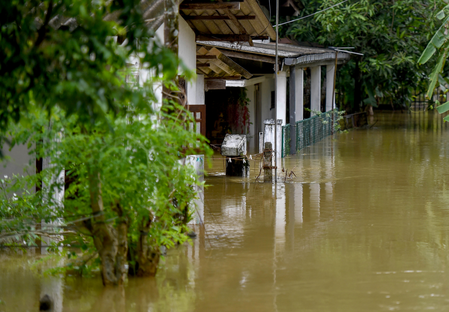
Around 374,000 Sri Lankan workers are in regions hit by floods and landslides from Cyclone Ditwah, as per a report by the International Labour Organization (ILO). The ILO estimates potential monthly earnings losses of about $48 million in the affected areas. Informal and low-wage workers are at higher risk due to limited social protection and safety nets.
Agriculture, plantations, and fisheries have suffered significant damage, with up to 23% of rice fields affected by floods. The tea industry, a key sector for Sri Lanka, is expected to face output losses of up to 35%. The ILO recommends immediate actions like providing cash aid and creating job opportunities for affected workers.
To aid recovery, the ILO suggests supporting small businesses with grants and subsidies to repair equipment and retain employees. Following Cyclone Ditwah, most schools have reopened, except for 147 schools in heavily impacted provinces. Free transport services are being provided to students in affected areas for the rest of the year.
The Ministry of Education in Sri Lanka has canceled third-term exams for Classes 6 to 10 for the academic year 2025. The reopening of schools was delayed due to the cyclone’s aftermath. The government is taking steps to assist students and schools in the disaster-stricken regions.
