


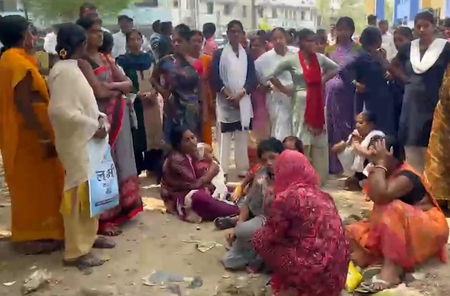
Eight individuals lost their lives, and eight others sustained injuries in a stampede at the Mata Sheetla Temple in Bihar’s Nalanda district. The tragic incident occurred during prayers at the temple premises due to a sudden surge of devotees, leading to overcrowding and chaos. Local residents and police promptly initiated rescue operations, transferring the injured to nearby hospitals, while senior district officials supervised relief efforts on-site.
Prime Minister Narendra Modi expressed sorrow over the fatalities and announced compensation of Rs 2 lakh for the families of the deceased and Rs 50,000 for the injured. This unfortunate event adds to a series of stampedes witnessed in India over the past two years, particularly during religious and public gatherings, underscoring challenges in crowd management.
The Nalanda tragedy reflects a concerning trend of stampedes across the country, with incidents during significant events like the Maha Kumbh in Uttar Pradesh and chaos at New Delhi Railway Station. Experts have highlighted systemic issues such as poor crowd flow planning, lack of real-time bottleneck monitoring, and insufficient coordination among agencies during large gatherings.
Despite past incidents, the recurrence of stampedes emphasizes the urgent need for improved crowd management systems, enhanced deployment of surveillance technology, and stricter safety protocols, especially during high-footfall religious functions. The persistent lack of preparedness and accountability has sparked calls for reforms to ensure public safety at mass gatherings.
