


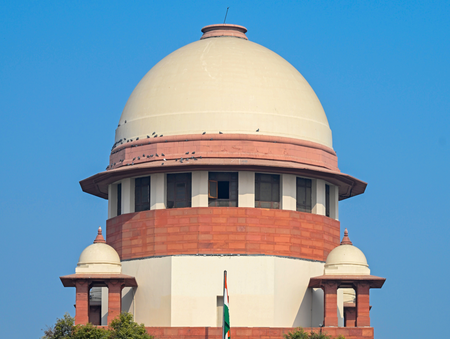
The Supreme Court highlighted a crucial aspect of bail jurisprudence, stating that courts should not require upfront monetary deposits or undertakings for bail consideration. This practice, as per the court, could disrupt the criminal justice system and be exploited for coercive settlements. Justices Manoj Misra and Manmohan made these remarks during a hearing related to a case involving alleged government subsidy fund diversion.
Referring to a recent ruling in Gajanan Dattatray Gore vs. State of Maharashtra, the apex court reiterated its stance against linking bail relief to financial terms. The bench criticized the courts for demanding upfront deposits or compliance with certain obligations from bail applicants, suggesting that such actions could lead to misuse and hinder the fair delivery of justice.
The Supreme Court’s observations stemmed from a specific case where the Delhi High Court had declined to extend interim bail to an accused due to non-compliance with a deposit undertaking. Instead of prolonging interim bail by demanding further deposits, the court suggested that regular bail applications should be assessed independently based on their merits. The bench emphasized that failure to meet deposit obligations should not delay the consideration of bail requests on their own grounds.
In cases involving Section 409 of the IPC, the court clarified that there is no automatic assumption of guilt for a company director, and any liability must be proven during the trial process. The apex court concluded the matter by instructing the Delhi High Court to promptly decide the accused’s regular bail application, ideally within three weeks, while allowing the interim protection to remain effective in the interim period.
