


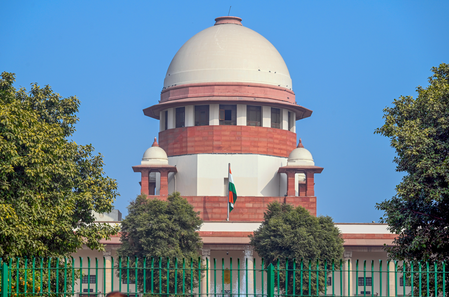
The Supreme Court emphasized that access to menstrual hygiene is crucial for a girl child’s rights to life, dignity, health, and education. It issued mandatory directives to all states and UTs to provide free sanitary napkins, gender-segregated toilets, and menstrual health awareness in schools. The lack of menstrual hygiene products can lead girls to use unhygienic alternatives, impacting their health adversely.
Highlighting the importance of education, the Court noted that inadequate facilities like clean washrooms and menstrual absorbents can force girls to miss school or drop out. It stressed that education involves not just physical presence but also the ability to participate fully in academic and co-curricular activities. The directives include ensuring functional, gender-segregated toilets with water supply, hand-washing facilities, and infrastructure for children with disabilities in all schools.
The Supreme Court also mandated the provision of free oxo-biodegradable sanitary napkins in schools, along with setting up Menstrual Hygiene Management corners stocked with essential items. Schools are required to have proper mechanisms for the disposal of sanitary waste in compliance with waste management rules. The Court stressed the need for gender-responsive curricula on menstruation and puberty, as well as training teachers on menstrual hygiene.
To ensure compliance, the Court directed the Centre, states, and UTs to implement these measures within three months, with monitoring through compliance reports. It called for the involvement of educational bodies and commissions to oversee implementation and address non-compliance effectively. The Court’s decision aims to protect the most vulnerable individuals and promote progress in addressing menstrual health challenges.
