


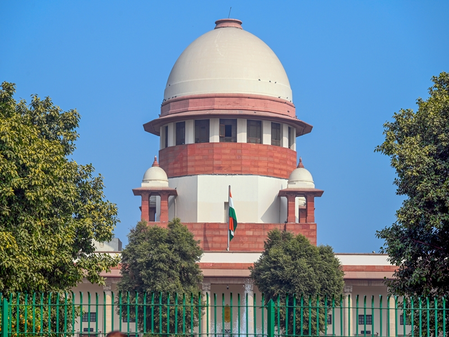
The Supreme Court has ruled to dismiss criminal charges against a man from Bihar accused under the Scheduled Castes and Scheduled Tribes (Prevention of Atrocities) Act. The Court emphasized that vague allegations and mere presence at the scene are insufficient grounds for trial. The Patna High Court’s decision to uphold the trial court’s cognisance and summoning order was overturned by the Supreme Court.
The appeal filed by Keshaw Mahto was accepted by the Bench of Justices J.B. Pardiwala and Alok Aradhe. The state government’s counsel acknowledged that there were no specific accusations against Mahto, except for his presence with the co-accused. The apex court stated that proceeding with the trial against him would be unjust.
The case originated from a 2019 FIR alleging abuse and assault of a Scheduled Caste individual at an anganwadi centre, with caste-related insults reportedly hurled. Despite the trial court’s cognisance of offences in 2020, the Supreme Court intervened to quash the prosecution against Mahto. The Court reiterated that SC/ST Act provisions are not automatically triggered by the caste of the complainant.
The Supreme Court clarified that insults or intimidation must be specifically directed at the victim’s caste to constitute an offence under the SC/ST Act. Mere knowledge of the victim’s caste or using caste names is not sufficient. The Court emphasized that abusive language must be caste-related and intended to humiliate to warrant legal action. The apex court found no evidence in the FIR or chargesheet to support allegations of caste-based abuse by Mahto.
The Supreme Court concluded that the appellant’s mere presence did not establish his involvement in the alleged offence. It determined that there was no prima facie case against him under the SC/ST Act or the IPC. Consequently, the Court allowed the appeal and quashed the criminal prosecution against the appellant.
