


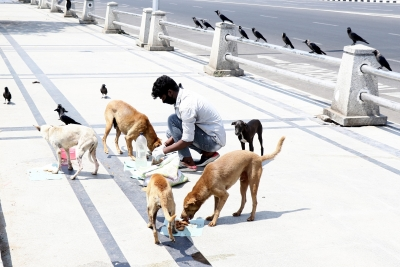
The Supreme Court raised concerns about individuals and organizations feeding stray dogs in public areas, questioning if their compassion extends only to animals and not humans. The court inquired about accountability in case of harm to humans, particularly children, due to stray dog attacks. It highlighted the limitations of Animal Birth Control (ABC) Rules in addressing aggressive stray dogs and emphasized the need for responsible actions.
The court emphasized the importance of humane treatment of street dogs in line with the ABC Rules, clarifying that it never mandated the removal of all street dogs. It noted the risks associated with stray dogs carrying diseases that could be transmitted to wild animals, impacting ecological balance. The court also highlighted the need for effective implementation of sterilization programs to manage the stray dog population.
Various senior advocates presented arguments on the issue, emphasizing the broader perspective of animal-human conflicts. They stressed the significance of sterilization over culling as a solution to control the stray dog population. Advocates also pointed out the role of dogs in maintaining ecological balance and the necessity of proper funding and utilization of resources by organizations working in this field.
A victim of a dog attack shared her experience in court, advocating for the proper implementation of the ABC program to address aggression and reduce stray dog incidents. She highlighted the impact of cruelty towards community dogs in triggering defensive aggression, emphasizing the need for responsible behavior towards animals. The Supreme Court has been actively addressing this matter since last year, focusing on the effective management of stray dog populations.
