


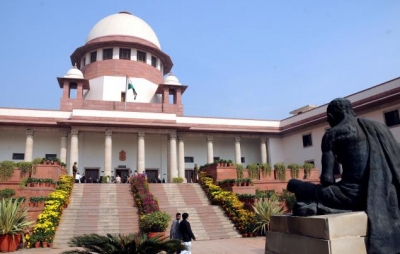
The Supreme Court scrutinized the Indian Young Lawyers’ Association’s involvement in the Sabarimala case, questioning its authority and motives. The nine-judge Constitution Bench, led by Chief Justice of India Surya Kant, queried the association’s right to challenge religious practices. Justices raised concerns over the legitimacy of the PIL and criticized its initiation process.
The Bench highlighted doubts regarding the association’s authorization for the litigation and criticized the lack of clarity on this matter. Justice Sundresh remarked that the case seemed to be an abuse of legal procedures. The Court also noted allegations that the association’s then President was unaware of the litigation, suggesting potential misuse of authority.
During the proceedings, the Supreme Court expressed reservations about non-believers challenging religious traditions. Justice Nagarathna emphasized that those without faith should not interfere with established customs. The Court underscored the importance of addressing only constitutional issues and refraining from revisiting past judgments.
The ongoing hearing focuses on broader constitutional questions stemming from the Sabarimala verdict, which sparked protests in Kerala. The Court is examining the balance between religious freedom and fundamental rights, including judicial oversight of religious practices. The Constitution Bench will also address related issues such as women’s entry into mosques, Parsi women’s rights in fire temples, and practices like female genital mutilation in specific communities.
