


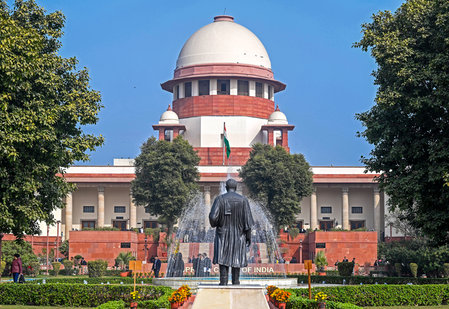
The Supreme Court has agreed to examine a PIL that seeks to address unethical digital solicitation and professional misconduct by advocates on social media platforms. The PIL, filed under Article 32 of the Constitution, urges the Bar Council of India to regulate advocates’ conduct online and enforce existing laws. The plea highlights the proliferation of promotional legal content on platforms like Instagram and YouTube, raising concerns about the dignity of the legal profession.
The petition argues that despite regulations against solicitation, there has been a surge in influencer-style legal content and paid collaborations by advocates. These activities, recorded in court premises, are seen as a misuse of judicial spaces for commercial purposes. The plea emphasizes the need for strict implementation of the Advocates Act, 1961, to maintain the integrity of the legal system.
Alleging a violation of the Advocates Act and BCI Rules, the petition condemns the use of court attire and premises for creating promotional digital content. It warns against transforming court spaces into settings for social media marketing and influencer activities. The petitioners seek the court’s intervention to curb the commercialization of advocacy and uphold the sanctity of legal proceedings.
Referring to previous regulatory actions, the plea mentions judgments and advisories aimed at curbing digital solicitation by advocates. Despite efforts to address the issue, the petitioners claim that a comprehensive nationwide framework is lacking. The plea underscores the need for immediate regulatory measures to prevent the erosion of legal ethics and professionalism in the digital space.
