


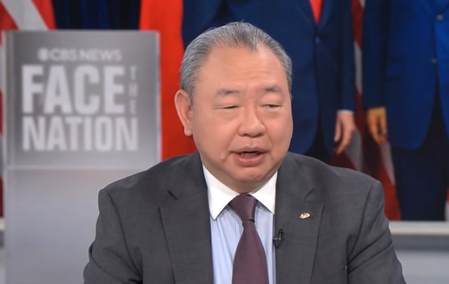
Concerns are rising in Taiwan following President Donald Trump’s suggestion that future US arms sales to Taipei could be part of broader negotiations with China post his meeting with Chinese President Xi Jinping in Beijing.
Taiwan’s representative to the US, Alexander Yui, emphasized the need for ongoing American weapons support to counter what he termed as increasing Chinese aggression in the Taiwan Strait. Yui stressed that Taiwan’s strength in defense was crucial to prevent potential conflicts.
Trump’s post-summit comments hinted at the possibility of using Taiwan-related arms sales as a bargaining tool in negotiations with China. He described it as a valuable asset for the US and expressed a desire for both Taiwan and China to de-escalate tensions, without committing to approving a new weapons package for Taipei.
The issue of arms sales to Taiwan has become a sensitive topic post the Trump-Xi summit, which yielded limited publicly announced agreements. Yui reassured the Taiwanese public that the US had not altered its longstanding Taiwan policy, highlighting statements from Trump and Secretary of State Marco Rubio supporting stability in the Taiwan Strait.
Taiwan aims to present its perspective to Washington, feeling that Trump only heard China’s concerns during his visit to Beijing. Yui rejected China’s accusations of Taiwan instigating tensions, attributing the problems to Chinese actions rather than Taiwanese provocations.
Former US Defense Secretary Robert Gates cautioned about potential Chinese tactics like blockades or economic pressure on Taiwan instead of direct military invasion. Gates urged the US to fulfill pending arms deliveries to Taiwan despite concerns over American weapons shortages due to conflicts in other regions.
