


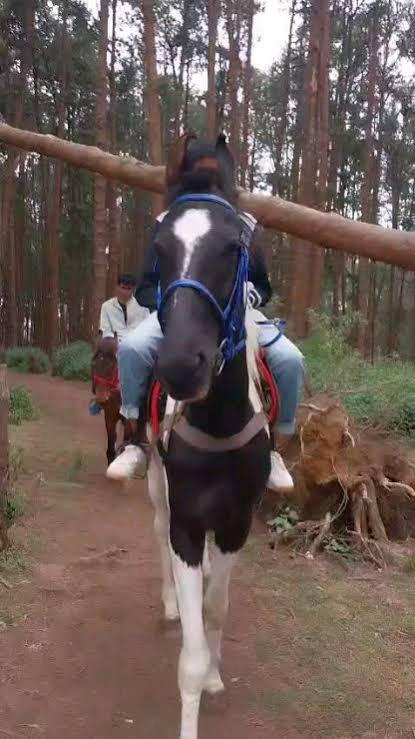
In a move to enhance animal welfare and safety at tourist spots, the Tamil Nadu government has implemented stringent regulations governing the use of horses, donkeys, and mules for joyrides and commercial purposes across the state. The guidelines, issued by N. Subbaiyan, Principal Secretary of the Animal Husbandry Department, emphasize compulsory licensing, regular veterinary checks, and close monitoring of the working conditions of these animals. These measures align with the provisions of the Prevention of Cruelty to Animals Act, 1960.
The new rules aim to address concerns regarding animal abuse, unregulated operations, and lack of accountability in various tourist and semi-urban areas. Equines are commonly employed for joyrides, goods transport, and ceremonial functions in popular tourist destinations like Chennai, Udhagamandalam, and Kodaikanal, as well as in hilly and rural regions. Inspections have revealed violations such as overloading, inadequate shelter, lack of food and water, poor veterinary supervision, and forcing animals to work in extreme weather conditions.
Under the updated regulations, owners and operators of working equines must secure licenses from municipal bodies and register the animals with the Tamil Nadu Animal Welfare Board. Equines used for joyrides, transport, or racing must undergo regular health screenings, including glanders tests, and possess valid fitness certificates issued by registered veterinarians every six months. The guidelines also outline specific requirements for housing and care, including minimum stable sizes, proper ventilation, flooring, drainage systems, and seasonal shelter provisions.
Working hours for joyrides are now restricted to between 10 a.m. and 4 p.m., with a ban during severe weather conditions. The rules prohibit the use of equines beyond a certain age and overloading beyond specified weight limits. Additionally, the regulations mandate regular hoof care, appropriate saddles and harnesses, adherence to vaccination schedules, and the availability of first-aid kits at all equine work sites. Authorities have the power to seize animals in cases of severe cruelty or repeated violations, with penalties including criminal prosecution, license suspension or cancellation, and financial fines.
The Tamil Nadu Animal Welfare Board plans to conduct a comprehensive census of working equines across the state, with a focus on ensuring compliance with the new licensing requirements. Recent inspections in Chennai revealed significant movement of horses, some without microchips. With the enforcement of mandatory licensing, the Board anticipates improved oversight, and the government is considering infrastructure enhancements such as stables to promote adherence to the updated norms.
