


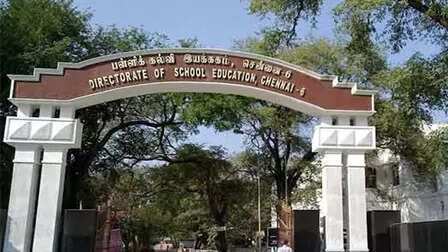
Government schools in Tamil Nadu are set to conduct student elections next month as part of the ‘Magizh Mutram’ program, aiming to educate schoolchildren about democracy and participatory governance. The initiative integrates a student parliament into the academic curriculum, allowing students to engage in the electoral process through campaigns, manifestos, voting, and forming a student cabinet. This move addresses concerns about the lack of exposure young people have to democratic institutions and electoral procedures.
The program retains the tradition of having five student houses in each government school – Kurinji, Mullai, Marutham, Neithal, and Palai, each led by a House Captain and a Student Minister. House Captains will be chosen through a draw or show of hands, while Student Ministers will be elected via a formal voting system. The selection of House Captains is slated for completion by July 3, with Student Minister candidates campaigning on July 6 by presenting their election manifestos.
Students eligible to contest are from Class 5 in primary schools, Class 8 in middle schools, Class 9 in high schools, and Class 11 in higher secondary schools. Polling is scheduled for July 7, where students from different classes will cast separate votes to elect one Student Minister for each of the five houses. The elected student leaders will oversee key portfolios such as Education, Student Welfare and Safety, Information and Communication, Environment and Climate Action, and Health, Hygiene, and Sanitation.
To ensure gender balance, co-educational schools are instructed to appoint House Captains and Student Ministers of opposite genders within each house. The newly elected student leaders will take their oath of office on July 10, with each house having its flag, badges for leaders, a scoreboard to track achievements, and a teacher coordinator to guide the student parliament’s activities.
