


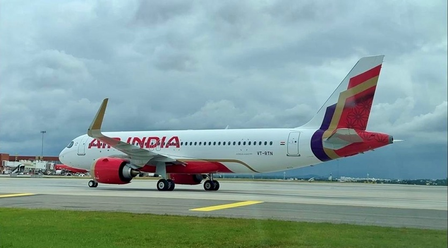
The Air India board, supported by the Tata Group, has explored various cost-cutting strategies, such as potential furloughs and deferring performance-based bonuses. The discussions, held at the airline’s Gurugram headquarters, centered on financial stability, cost-saving initiatives, and operational hurdles. The airline is contemplating several austerity measures to manage expenses amidst increased jet fuel prices and airspace constraints due to geopolitical tensions in West Asia.
The proposed options include unpaid leave for staff and postponing bonus disbursements integrated into employees’ compensation packages. Air India has faced a surge in operational costs due to extended flight paths and heightened fuel expenses resulting from the regional conflict. Additionally, the board assessed the airline’s financial performance for 2025-26 and discussed succession plans, including the appointment of a new Chief Executive Officer.
Campbell Wilson, the current Air India CEO and Managing Director, is expected to resign later this year and will address employees in a townhall meeting. The Air India Group is reported to have incurred losses exceeding Rs 22,000 crore in the fiscal year ending March 2026. In a recent development, Air India Express announced the resumption of flights to Qatar and Bahrain, expanding services to key Gulf destinations like the UAE, Oman, and Saudi Arabia from April 30, 2026.
The ongoing geopolitical tensions in West Asia have not only impacted Air India but have also affected the global aviation industry, leading to disrupted flight schedules and increased operational expenses for airlines worldwide. Reports indicate a significant drop in passenger traffic at Dubai International Airport in March, attributed to disruptions related to the regional conflict.
