


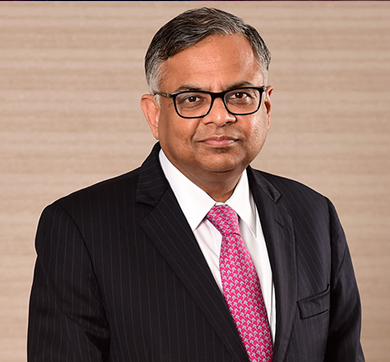
Tata Motors Limited, as per Chairman Natarajan Chandrasekaran’s message in the company’s annual report for 2025-26, will persist in investing in electric and hydrogen technologies for its commercial vehicle segment amid the increasing shift towards cleaner transportation. Chandrasekaran emphasized the necessity of a diversified approach, incorporating electric vehicles, hydrogen solutions, and cleaner internal combustion engine technologies for sustainable transportation.
The company is expanding its range of zero-emission electric commercial vehicles while also focusing on investments in hydrogen technologies, particularly for heavier transport sectors. Chandrasekaran highlighted the ongoing rapid transformation in the global mobility sector driven by the adoption of clean energy, heightened safety standards, and alterations in global supply chains.
Advancements in digital technologies and artificial intelligence are fundamentally reshaping the design, usage, and support of mobility products, according to Chandrasekaran. He pointed out that geopolitical uncertainties and varying economic recoveries globally are intensifying industry challenges, underscoring the importance of agility and resilience for long-term competitiveness.
Tata Motors is committed to pursuing profitable growth and is strategically positioned to leverage emerging mobility prospects. The company aims to uphold disciplined capital allocation while investing in future technologies like connected vehicle platforms, advanced driver assistance systems, data-centric fleet services, digital mobility solutions, and next-gen powertrains.
Chandrasekaran also highlighted Tata Motors’ financial performance in FY26, noting a record revenue of Rs 83,855 crore, a 9.8% increase from the previous fiscal year. The automotive business demonstrated a substantial improvement in profitability, achieving a return on capital employed of 72.3%, among the highest in the global commercial vehicle industry.
The chairman reiterated the company’s commitment to industry-leading growth, profitability, and returns, emphasizing the development of capabilities that will shape the future of safe, efficient, and intelligent commercial mobility.
