


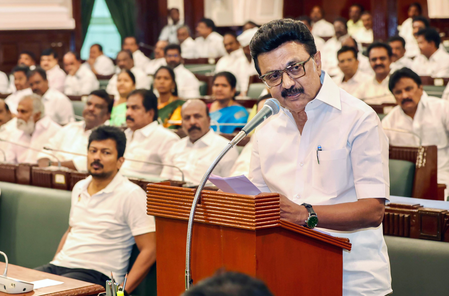
As the Tamil Nadu Assembly elections draw near, tensions have escalated between the DMK and Congress regarding seat-sharing and governance participation, potentially impacting the INDIA bloc in the state. The Congress party has been pressing for a formal share in governance if the alliance retains power, leading to ongoing friction for almost two months. Despite a meeting between a Congress delegation and Chief Minister M.K. Stalin to discuss seat-sharing, tensions reignited when a senior Congress observer proposed a “coalition government” model in the state.
The delay in forming a formal DMK committee for alliance talks has caused dissatisfaction among Congress leaders, including Rahul Gandhi, who expressed concerns during a meeting with DMK Deputy General Secretary Kanimozhi. The DMK has announced that discussions with alliance partners will commence on February 22, but Congress leaders in Tamil Nadu are increasing public pressure for a role in government. Notably, MPs and former party officials have emphasized the need for power-sharing based on the Congress party’s consistent support for the DMK.
Despite CM Stalin’s statement that power-sharing is not traditional in Tamil Nadu politics, the debate continues, with Congress leaders highlighting their historical contributions to alliance victories without holding power since 1967. Seeking around 45 seats and more opportunities for young leaders, Congress warns of potential grassroots dissatisfaction. Meanwhile, the DMK is strategically allocating seats to smaller allies first, possibly to push Congress towards a compromise later in the process.
With the AIADMK set to announce its initial candidate list soon and campaign activities intensifying, both the DMK and Congress are engaged in crucial negotiations not only over seat allocations but also concerning their status, influence, and future within the alliance.
