


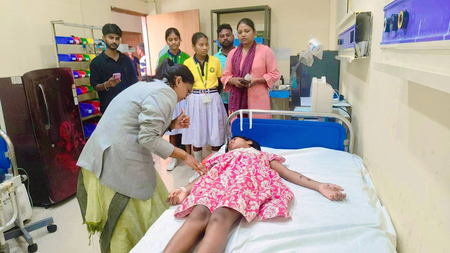
At least three children have lost their lives to Cerebral malaria in the Potka block of Jharkhand’s East Singhbhum district within the past 48 hours. This tragic situation has led to a severe health crisis in the area, prompting authorities to initiate a large-scale survey. Fresh cases continue to surface in affected villages, with over 20 patients, including many children, receiving treatment at the Mahatma Gandhi Memorial (MGM) Medical College and Hospital in Jamshedpur.
The health department has escalated surveillance efforts, extensive screening, and medical interventions in nine villages within Potka due to the gravity of the outbreak. Dr. Asad, the District Surveillance Officer, highlighted a sudden increase in malaria and cerebral malaria cases across these villages with the onset of the monsoon, confirming the unfortunate deaths of children. The deceased individuals have been identified as Lakhkhi Sardar, a Class VII student of PM Shri Kasturba Gandhi Residential School; Rahul Sardar (8) from Daudrodia village; and Subola Sardar (8) from Kandar village.
In response to the crisis, health teams have identified over 14 new cases through intensive screening efforts, including students from the Kasturba Gandhi school and a nine-month-old infant from the Sabar tribal community. Special medical camps have been set up to screen more than 600 residents in the affected areas. The administration has taken action by closing a private clinic in Potka following allegations of negligence in the treatment of Lakhkhi Sardar, where despite clear signs of cerebral malaria, appropriate care was not provided.
A high-level team from the health department has inspected the Potka Community Health Centre and expressed concerns over insufficient resources. Urgent directives have been issued to ensure the availability of additional spray pumps, rapid diagnostic test (RDT) kits, and essential life-saving medicines. The department has initiated a comprehensive fever survey, door-to-door screening, and mosquito-borne disease control measures in the affected regions to combat the situation effectively.
Medical authorities are advising residents to promptly seek medical attention if they experience symptoms like high fever, chills, headache, vomiting, unconsciousness, or seizures. They are also encouraged to use mosquito nets regularly, wear full-sleeved clothing, and prevent water stagnation around their living areas.
