


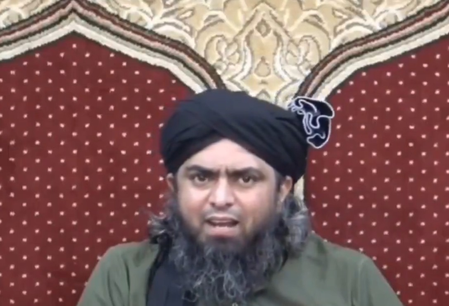
Recent statements in Pakistan by individuals associated with terrorist networks have raised concerns for using symbolic events to reinforce narratives of conflict and identity, a report revealed. The trend was highlighted on March 22 when social media linked to Pakistani groups utilized Eid to propagate hostile views against India and other regional players. This approach aimed to deepen divisions and incite emotions by intertwining religion, belief, and conflict within broader ideological frameworks.
The report emphasized the concerning transformation of religious and communal celebrations into platforms for spreading radical narratives. It pointed out that Pakistan’s blasphemy laws have been systematically exploited to manipulate religious sentiments and fuel confrontational rhetoric. The period between 2022 and 2024 witnessed a surge in blasphemy cases, with many prosecutions stemming from personal disputes, economic conflicts, and discrimination against minorities.
According to the analysis, the misuse of blasphemy laws extends beyond national boundaries, with the concept of “insult to faith” being used to incite outrage across borders. This tactic reinforces the perception of threats against Islam and justifies aggressive rhetoric. The weaponization of blasphemy laws in Pakistan has evolved into a tool for mass mobilization and ideological control, perpetuated by fear and moral polarization to maintain authority and dominant narratives.
The report also highlighted Pakistan’s interactions with Afghanistan post the Taliban’s resurgence in 2021, showcasing how the narrative of “Islamic brotherhood” initially justified regime changes and emphasized shared religious affiliations. However, subsequent border conflicts, military clashes, and airstrikes in eastern Afghanistan in 2026 revealed a disconnect between rhetoric and actions. This discrepancy underscored that religious unity is often manipulated for strategic purposes rather than serving as a genuine unifying force.
