


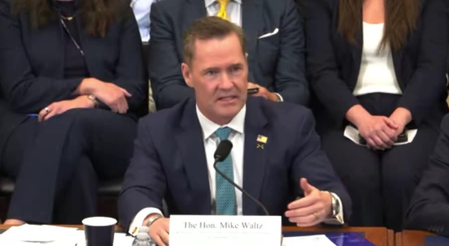
The Trump administration defended its significant overhaul of the United Nations, emphasizing the achievement of the largest budget cuts in the organization’s history. During a session with the House Foreign Affairs Committee, US Ambassador to the United Nations Mike Waltz and Ambassador for UN Management and Reform Jeffrey Bartos highlighted the reduction of over $1 billion from UN budgets. This move aimed to realign the UN with its original mission of upholding global peace and security.
Waltz informed lawmakers that the administration’s focus was on returning the UN to its core objectives after decades of expansion into various areas. He underscored that the recent efforts had led to a substantial reduction in the UN budget, the elimination of thousands of civilian positions, and a decrease in global peacekeeping operations by 25%. The administration’s agenda, termed “America First,” prioritized streamlining the UN’s functions and eliminating inefficiencies.
The reforms spearheaded by the administration included cutting 4,000 headquarters positions, terminating underperforming peacekeeping missions, and reducing the number of peacekeepers by a quarter globally. Bartos described the budget cuts as unprecedented, amounting to $1.1 billion across the regular and peacekeeping budgets. Additionally, the reforms aimed to enhance accountability by ensuring that peacekeeping equipment was actively utilized to qualify for reimbursement, a move estimated to save around $30 million annually.
Republican lawmakers commended the administration’s actions, criticizing the UN’s bloated structure and inefficiencies. However, Democratic members expressed concerns that substantial funding cuts could weaken US leadership within international institutions and create opportunities for other countries, like China, to expand their influence. Despite differing opinions, the administration reiterated its commitment to reforming the UN to enhance effectiveness, reduce bureaucracy, and focus on tangible outcomes.
