


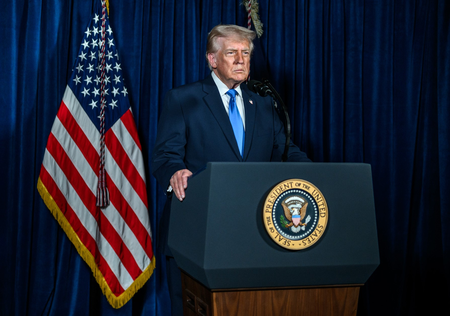
US President Donald Trump revealed his administration’s efforts to reduce housing, healthcare, and consumer expenses by highlighting decreasing energy prices and proposed modifications to mortgages, credit cards, and prescription drug costs.
Speaking at the Detroit Economic Club, Trump emphasized the importance of enhancing affordability, citing the decline in gasoline prices as a significant factor in reducing overall costs. He noted that gas prices had dropped below $2.50 per gallon in 17 states and even lower in some areas, underscoring the economic impact of lower fuel expenses.
Trump pointed out that as gasoline prices decrease, it leads to a cascading effect on various goods and services, illustrating how cost reductions in one sector can influence broader economic trends. Despite these price decreases, Trump highlighted robust economic growth, attributing it to the administration’s policies and initiatives.
The President also addressed the issue of housing affordability, announcing forthcoming measures to tackle market distortions and ensure fair access to housing options. He specifically mentioned plans to prevent large institutional investors from monopolizing single-family home purchases and highlighted the government’s actions to lower mortgage rates.
In addition to housing, Trump discussed initiatives to regulate credit card interest rates, criticizing the current high rates charged by companies. He called for a cap on interest rates at 10% for a year, aiming to provide relief to consumers burdened by exorbitant credit card fees.
Turning to healthcare, Trump criticized the Affordable Care Act, characterizing it as a costly scheme that primarily benefits insurance companies. He advocated for a direct-to-consumer approach, emphasizing the need to empower individuals to choose their healthcare options effectively.
Trump concluded by promising a new framework for healthcare affordability and pledged significant reductions in prescription drug prices through a “most favored nation” pricing strategy. He asserted that leveraging tariffs would compel other countries to align their drug prices with the US, ensuring fair and affordable access to medications.
The President highlighted the tangible impact of falling prices on everyday expenses, noting reductions in grocery prices, rent, airfares, and hotel rates. He also pointed out an increase in real wages, contrasting his administration’s economic policies with those of his predecessors.
Housing affordability and healthcare costs have been persistent challenges in the US, prompting ongoing debates on regulatory reforms, market dynamics, and monetary policies to address rising expenses. Prescription drug pricing and healthcare accessibility remain critical issues in American economic and political discourse, particularly during election cycles.
