


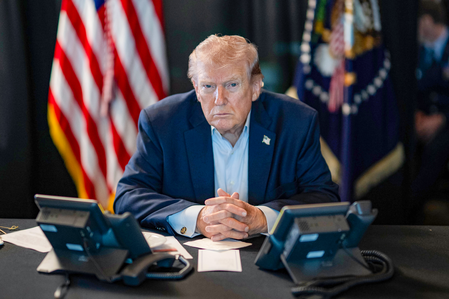
US President Donald Trump stated that Iran is eager to negotiate a deal following sustained American military strikes. Trump, speaking at a White House Cabinet meeting, highlighted the impact of US operations under “Operation Epic Fury,” emphasizing the destruction of Iran’s military infrastructure, including its navy, air force, and missile systems. He asserted that Iran, facing significant military losses, now has a choice between engaging in negotiations or enduring continued military pressure.
Vice President JD Vance mentioned that the military campaign had significantly weakened Iran’s conventional forces, providing the US with broader strategic options. Secretary of State Marco Rubio justified the operation as a response to Iran’s longstanding threat, citing past aggressions against Americans globally. Rubio warned of the dangers of a nuclear-armed Iran, emphasizing the need to prevent such a scenario.
Special envoy Steve Witkoff disclosed ongoing diplomatic efforts, with a 15-point framework for a potential peace deal already proposed through intermediaries. However, previous negotiations faltered due to Iran’s refusal to meet key US demands, such as halting uranium enrichment and dismantling nuclear facilities. Defense Secretary Pete Hegseth praised the rapid success of the campaign, noting the neutralization of Iran’s military capabilities and the destruction of numerous naval vessels.
Treasury Secretary Scott Bessent highlighted the economic pressure that has weakened Iran’s financial system, attributing its collapse in December to US sanctions. Trump criticized NATO allies for their lack of contribution to the campaign, emphasizing the US’s solitary role. He expressed satisfaction with the operation’s progress, noting that the mission, initially projected to take four to six weeks, was ahead of schedule.
