


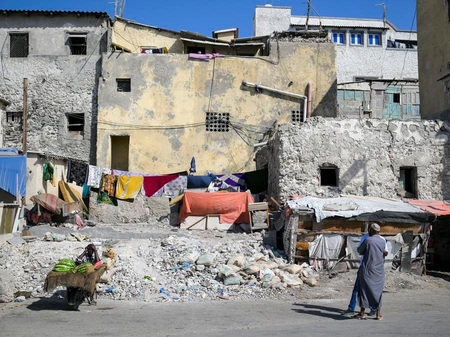
UN relief agencies have urgently appealed for increased life-saving aid to address a rapidly escalating food insecurity crisis in Somalia. The Food and Agriculture Organization, the Office for the Coordination of Humanitarian Affairs (OCHA), the UN Children’s Fund, and the World Food Programme have highlighted the critical situation affecting 6 million people in Somalia, including 1.9 million children facing severe malnutrition. Various factors such as severe drought, insecurity, limited humanitarian assistance, and the aftermath of conflicts in the Middle East are exacerbating the crisis.
According to the latest Integrated Food Security Phase Classification report, Somalia is facing critical levels of food insecurity, with almost a third of the population affected. The situation is particularly dire in the Burhakaba district of Southwest State, where famine risks have reemerged for the first time since 2022. Despite efforts to scale up humanitarian assistance in high-risk areas, limited resources are hindering comprehensive coverage, with nearly 90% of the population receiving inadequate support. George Conway, the UN humanitarian coordinator in Somalia, emphasized the urgent need for rapid and expanded humanitarian action to prevent famine in the coming weeks.
An estimated 6 million people in Somalia are currently experiencing high levels of acute food insecurity, as highlighted in a recent report. The crisis is driven by factors such as recurring drought, conflict, displacement, rising costs, and reduced international aid. The Integrated Food Security Phase Classification report warns of a worsening emergency, with more than half a million people facing acute food insecurity compared to initial projections. In the Bay region’s Burhakaba district, acute malnutrition has reached extremely critical levels, posing a significant risk of famine unless immediate aid is provided.
