


For every $1 invested in protecting nature, the world spends $30 on destroying it, as per a new UN Environment Programme report. The report emphasizes the need for a significant shift in global financing towards nature-based solutions to yield high returns and enhance resilience by phasing out harmful investments.
Titled ‘The State of Finance for Nature 2026,’ the report, based on 2023 data, reveals a total of $7.3 trillion in nature-negative finance flows. Private sources contributed $4.9 trillion, mainly concentrated in sectors like utilities, industrials, energy, and basic materials, while public environmentally harmful subsidies amounted to $2.4 trillion in 2023.
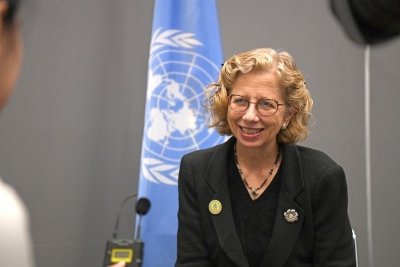
Inger Andersen, the Executive Director of UNEP, stressed the urgency of the situation, stating that the world faces a choice between investing in nature’s destruction or supporting its recovery. She highlighted the need for leaders to follow a clear roadmap outlined in the report to reverse the trend and collaborate with nature.
The report introduces the Nature Transition X-Curve, a framework aimed at reforming private and public capital flows to drive markets towards sustainability. This framework guides policymakers and businesses in phasing out destructive investments and scaling up nature-based solutions across all economic sectors.
Reem Alabali-Radovan, the Minister for Economic Cooperation and Development in Germany, emphasized the importance of shifting financial flows towards nature-based solutions. She highlighted the role of the private sector in this transition and how German development policy supports partner countries in valuing natural capital for sustainable economic decisions.
