


Decarbonisation efforts in the buildings and construction sector have lagged, making it a significant source of emissions and more susceptible to climate impacts and energy price fluctuations, as per a recent report by the UN Environment Programme (UNEP) and the Global Alliance for Buildings and Construction. The Global Status Report for Buildings and Construction (2025-2026) evaluates advancements in the sector using key indicators related to policies, finance, technologies, and investments in line with the global goal of achieving net-zero emissions by 2050.
The report, released amidst a global housing and energy affordability crisis, emphasizes the potential of climate action in buildings to lower energy costs, enhance living conditions, boost resilience to climate effects, and reduce greenhouse gas emissions. Inger Andersen, UNEP’s Executive Director, highlighted the pivotal role of buildings in society, underscoring the importance of adopting measures to promote zero-emission, resilient construction through enhanced policies, codes, and investments.
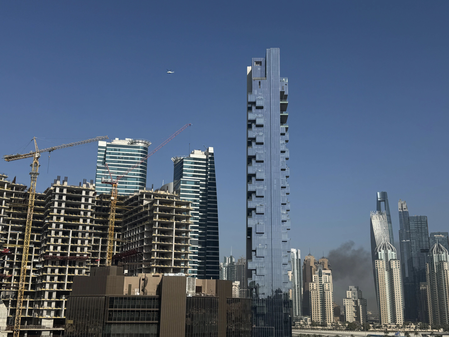
The global construction industry witnesses the addition of approximately 12.7 million square meters of floor area daily, equivalent to constructing a city the size of Paris each week. In 2024, the global building floor area expanded by 1.7%, reaching 273 billion square meters, primarily driven by construction activities in emerging economies like India and Southeast Asia. Notably, the buildings and construction sector now contributes nearly 50% of global material extraction, 37% of global emissions, and 28% of global energy consumption.
Despite some progress, such as an 8.5% reduction in global building energy intensity since 2015 and a threefold increase in green building certifications, the report points out a slowdown in progress since 2020 due to the mismatch between construction rates and green transition pace. To realign the sector with a net-zero trajectory, policymakers are urged to hasten energy-efficiency enhancements and phase out fossil fuels, with a target of $5.9 trillion investment in building energy efficiency by 2030, equivalent to $592 billion annually.
Positive developments in various regions are highlighted, including the European Union’s initiatives to address operational and embodied emissions, enhanced building energy performance in Japan and Switzerland, and the growth of on-site renewables in buildings in Australia, Germany, India, and Pakistan. UNEP and GlobalABC remain committed to enhancing data quality, refining methodologies, and supporting national policy formulation to empower decision-makers with the necessary insights for accelerating climate action while addressing affordability and equity challenges.
