


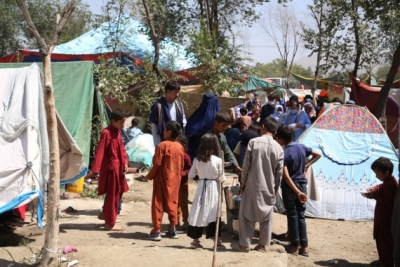
The United Nations has requested $1.71 billion in funding for humanitarian efforts in Afghanistan in 2026. Despite a slight decrease in needs, around 21.9 million people, nearly 45% of the population, will require humanitarian assistance next year. The main reasons cited for this requirement include ongoing conflict, economic instability, food insecurity, and climate-related disasters.
Years of underinvestment in basic services, recurring natural calamities, droughts, and the return of millions of migrants from neighboring nations have weakened the resilience of the Afghan population. The impact of restrictions on girls and women has also been emphasized by aid organizations. Constraints on girls’ education and women’s participation in the workforce and public life have led to decreased household incomes, heightened reliance on aid, and disruptions to relief efforts.
Afghanistan is grappling with significant socioeconomic hurdles, with UN data indicating that nearly 75% of the population is unemployed and 90% live below the poverty line. The influx of Afghan returnees from Pakistan and Iran in recent years has strained public services and humanitarian structures, further burdening an already fragile system. UN humanitarian chief Tom Fletcher recently warned that 1.7 million Afghan children are at risk of death due to severe malnutrition, labeling the situation as “shocking.”
During a United Nations Security Council briefing, Fletcher highlighted the worsening food insecurity this winter, with many crucial food distributions being halted. Approximately 1.1 million children lack access to essential aid, rendering them extremely vulnerable. Due to funding shortages, 303 nutrition service centers have been closed, limiting emergency care for malnourished children. Fletcher condemned Taliban restrictions on women working in UN offices as “unacceptable,” stressing that these constraints impede vital humanitarian services. He urged the international community to provide additional funding to sustain aid programs.
