


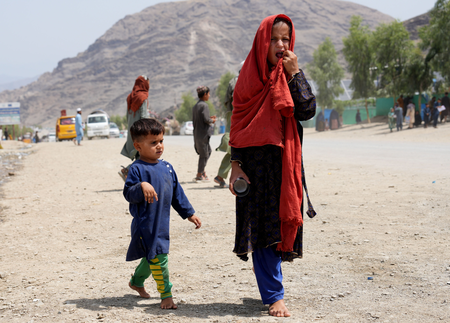
The United Nations Office for the Coordination of Humanitarian Affairs (OCHA) has raised concerns about a funding shortfall in 2026 jeopardizing nutrition programs supporting 5.7 million children and mothers in Afghanistan. Urgent funding is needed to prevent millions of vulnerable Afghans from losing access to essential health and nutrition services, as financial constraints have already hampered humanitarian partners’ ability to address increasing needs, particularly among at-risk children and mothers. Afghanistan faces a severe humanitarian crisis due to poverty, food insecurity, weak public services, and limited healthcare access.
The UN OCHA’s latest warning highlights the potential repercussions of reducing international humanitarian funding while needs remain high in Afghanistan. Funding shortages could lead to aid agencies scaling back nutrition programs, leaving vulnerable individuals without crucial assistance, especially in remote and underserved areas where healthcare and humanitarian services are scarce. The loss of nutrition programs in poverty-stricken regions could heighten the risk of preventable illnesses and fatalities among children and mothers.
In a recent report, the UN OCHA emphasized that over 10.7 million women and girls require humanitarian aid in Afghanistan in 2026, with ongoing concerns about their vulnerability amidst the country’s humanitarian crisis. Restrictions on women’s movement, education, and employment continue to impede their access to essential services, exacerbating protection risks and deepening existing vulnerabilities. Afghanistan also grapples with one of the world’s highest maternal mortality rates, with an estimated 638 maternal deaths per 100,000 live births in 2024.
The health sector in Afghanistan is under significant strain, marked by a shortage of women health workers, funding cuts, limited access to essential medicines, and gaps in emergency obstetric care, leading to preventable maternal and neonatal deaths, particularly in rural areas with restricted healthcare access. The OCHA cautioned that constraints on girls’ education pose risks to the healthcare sector by limiting the future availability of female healthcare professionals. Afghanistan could potentially lose over 25,000 female teachers and health workers by 2030 if current restrictions persist.
