


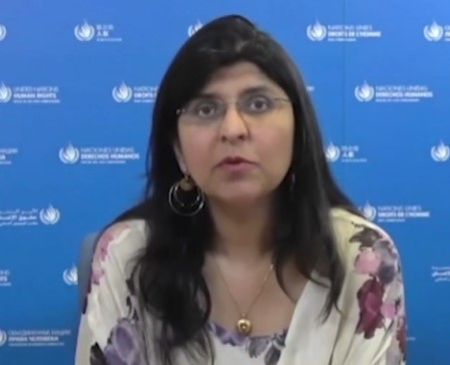
The United Nations Human Rights Office has issued a warning about the rapidly escalating conflict between Iran and Israel, emphasizing the serious humanitarian, economic, and global repercussions. The UN urges all involved parties to work towards an immediate ceasefire and calls for stronger diplomatic efforts from influential nations like India to help de-escalate the crisis. UN Human Rights spokesperson Ravina Shamdasani highlighted that the organization had previously cautioned about the potential conflict months before it erupted.
The conflict, as per the UN Human Rights Office, has now extended beyond initial attacks, involving multiple actors across the region. Ravina Shamdasani pointed out that the escalation began with attacks from Israel, Iran, and the United States, leading to retaliatory actions and broader hostilities impacting neighboring countries. She expressed regret over the unfolding crisis, emphasizing that it could have been prevented.
The UN is closely monitoring developments in various countries, including Iran, Lebanon, and Israel, while also observing global consequences such as increased fuel prices, disruption of humanitarian aid, and economic challenges affecting migrant workers in Gulf nations. Shamdasani stressed the importance of influential countries, including India, in contributing to resolving the conflict by upholding the UN Charter and working towards peace.
The spokesperson underlined the necessity for world leaders to advocate for dialogue, negotiations, and adherence to international law to prevent the situation from escalating into a larger regional conflict. The UN has voiced deep concern over reports of a strike on a girls’ school in Minab, resulting in the tragic loss of many students. Shamdasani called for a thorough investigation and accountability for the incident, emphasizing the families’ right to transparency.
International humanitarian law mandates the protection of civilians and critical infrastructure during armed conflicts, Shamdasani reiterated. She warned that deliberate attacks on schools, hospitals, and other civilian facilities could constitute war crimes. The UN’s message to the involved governments is clear: a ceasefire is imperative to prevent further harm to civilians and ensure long-term security objectives are met.
Sustained diplomatic efforts and international pressure are deemed crucial by the UN Human Rights Office to achieve a ceasefire and avert additional civilian casualties as the conflict escalates across the region.
