


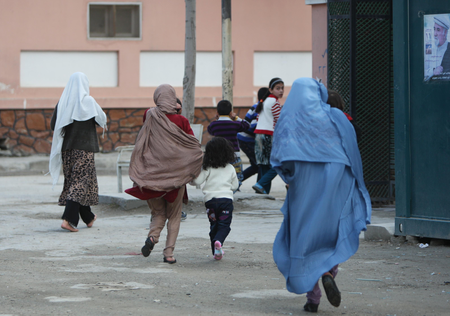
The United Nations has raised concerns about the deteriorating hunger and food security situation in Afghanistan, particularly affecting women and children amidst economic and humanitarian challenges. The country is grappling with overlapping crises such as economic collapse, unemployment, and climate-related shocks, impacting livelihoods nationwide. Rising regional tensions have led to increased food prices, adding pressure on vulnerable populations, as reported by Afghanistan-based Ariana News.
The United Nations World Food Programme (UNWFP) highlighted that funding cuts have led to a reduction in supplies of specialized nutritional food crucial for treating malnourished women and children. This has put millions of children at risk of severe hunger, prompting humanitarian organizations to urge sustained international assistance to prevent the situation from worsening. Meanwhile, the International Organization for Migration (IOM) disclosed that approximately 2,000 families in Afghanistan’s Nangarhar province have been affected by recent floods.
Emergency relief items have been distributed to the affected families, with humanitarian teams assessing urgent needs in the flood-impacted areas, according to Afghanistan’s leading news agency Khaama Press. The IOM noted that the floods in Nangarhar resulted in the loss of homes, agricultural land, and household property, exacerbating the humanitarian challenges faced by vulnerable families in the province. Plans are in place to provide additional humanitarian aid to at least 250 more families in Nangarhar as recovery and emergency operations progress in the affected regions.
The IOM further stated that similar relief efforts are underway in Laghman and Kunar, where recent flooding has caused damage to residents and infrastructure. Humanitarian agencies emphasized that extreme weather conditions, including floods, harsh winters, and droughts, have significantly impacted Afghanistan in recent years, further straining millions of people already grappling with poverty and displacement, according to Khaama Press.
