


The saree never goes out of style—it just gets reinvented. Whether you’re attending a wedding in Jersey City, a Diwali party in Melbourne, or simply want to feel connected to home on a random Tuesday in London, the latest saree trends of blend tradition with refreshing modernity. Think lightweight fabrics that travel well, bold prints that make statements, and draping styles that don’t require a YouTube tutorial every time.
Quick Summary:
saree trends favor lightweight fabrics (organza, georgette, tissue), bold abstract and floral prints, jewel tones and pastels, modern blouse styles (off-shoulder, crop tops), pre-stitched options for easy draping, and eco-friendly handloom choices—perfect for the Indian diaspora balancing tradition with contemporary lifestyles.
Table of Contents
Why Saree Trends Matter to Indian Women Living Abroad
When you’re thousands of miles from home, a saree becomes more than fabric—it’s a thread connecting you to family, festivals, and identity. But let’s be honest: the traditional six-yard struggle doesn’t always fit into busy Western schedules or cramped apartment storage. That’s where 2025’s trends shine. They honor heritage while acknowledging that modern Indian women need sarees that are practical, stylish, and Instagram-ready without the fuss.
These trends reflect what diaspora communities are actually wearing—sarees that slip easily into suitcases for destination weddings, drape quickly before work events, and feel as comfortable at brunch as they do at puja. The shift toward lighter fabrics and pre-stitched options isn’t about abandoning tradition; it’s about making tradition more accessible when you don’t have your mother or sister around to help with that perfect pallu pleat.
Trending Fabrics: Lightweight Luxury Meets Everyday Elegance
Organza & Georgette: The Sheer Winners
Organza and georgette have taken center stage, and for good reason. These fabrics offer that coveted sheer, ethereal quality without the weight of traditional silks—crucial when you’re packing for a transatlantic flight or dealing with central heating that makes heavy fabrics unbearable. Organza sarees with stone work catch light beautifully under Western venue lighting (which, let’s admit, is never quite as flattering as Indian wedding decor). Georgette with sequins or delicate floral prints works equally well for afternoon events or evening celebrations.
The beauty of these fabrics is their versatility. A georgette saree in a soft pastel works for a summer garden party in Toronto, while an organza with bold embellishments transitions seamlessly to a New Year’s Eve celebration in Dubai. They’re also far more forgiving in terms of storage—no need for elaborate folding techniques or specialized saree bags.
Tissue & Chiffon: Glamour Without the Weight
If you want that traditional glam factor without feeling like you’re wearing curtains, tissue and chiffon sarees deliver. Tissue sarees, especially those with ombre effects or subtle embellishments, create that classic Indian wedding look while remaining surprisingly lightweight. Chiffon drapes beautifully and moves with you—important when you’re navigating stairs in heels or dancing at sangeet celebrations in venues not designed with saree-wearers in mind.
These fabrics photograph exceptionally well, which matters when family back home expects photos from every event. The way they catch light creates depth and dimension that translates beautifully on camera, so those WhatsApp family group expectations are easily met.
Modern Silks: Tradition Gets a Contemporary Twist
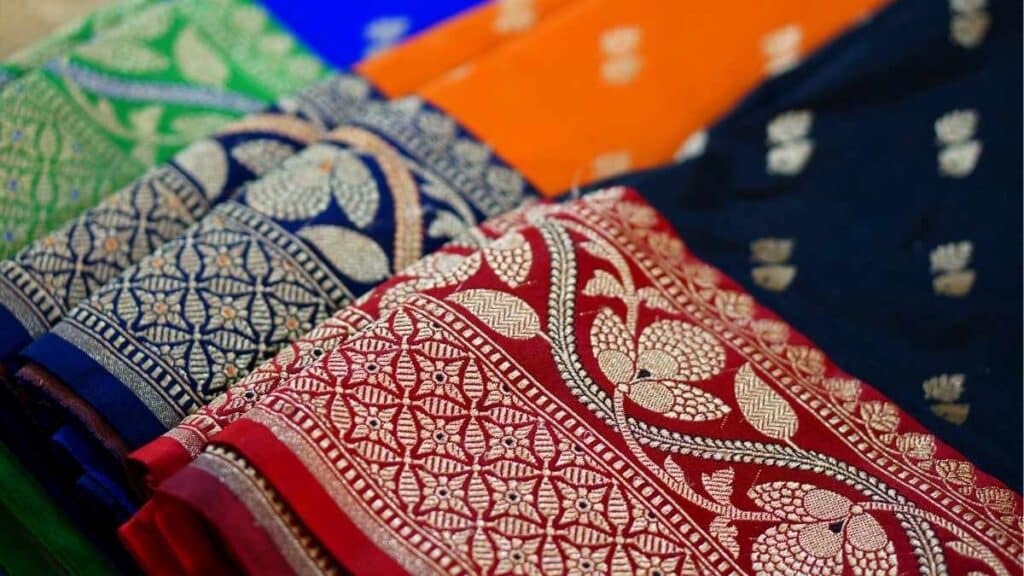
Traditional weaves haven’t disappeared—they’ve evolved. Banarasi and Kanjeevaram sarees are being reimagined with lightweight bases or contemporary motifs that honor heritage while feeling less ceremonial. You’ll find Banarasi borders paired with lighter cotton bodies, or Kanjeevaram patterns on silk-blend fabrics that don’t require professional dry cleaning after every wear.
This fusion approach resonates particularly with second-generation diaspora members who want to honor their cultural roots without feeling costumed. A modern silk saree works for both the temple visit and the post-wedding brunch, bridging the gap between generations and geographies.
Pre-Stitched Sarees: The Time-Saver Revolution
Let’s address the elephant in the room: not everyone mastered the art of saree draping before moving abroad, and YouTube tutorials at 6 AM before an event aren’t always reliable. Pre-stitched sarees have gone from “last resort” to genuinely trendy, offering instant modern drapes that look polished and intentional. They’re particularly popular among working professionals who need to transition from office wear to evening events without a full wardrobe change session.
These aren’t the stiff, obvious pre-draped sarees of the past. Current versions offer natural fall, secure construction, and the ability to actually sit comfortably—revolutionary concepts for anyone who’s spent an evening readjusting pleats at a dinner table.
Linen & Handloom: The Sustainable Statement
Eco-consciousness has reached ethnic wear, and linen sarees along with handloom options in earthy tones are having a significant moment. Fabrics like banana silk appeal to diaspora consumers increasingly aware of sustainability and supporting artisan communities back home. These sarees offer natural elegance with a story—something meaningful when you’re explaining your outfit choice to curious colleagues or friends.
Linen sarees work beautifully in Western climates, handling humidity and temperature changes better than synthetic alternatives. They age gracefully, developing character rather than looking worn, which matters when building a curated saree collection rather than accumulating countless pieces.
Embellishments: Details That Define the Difference
Sequins & Stone Work: Strategic Sparkle
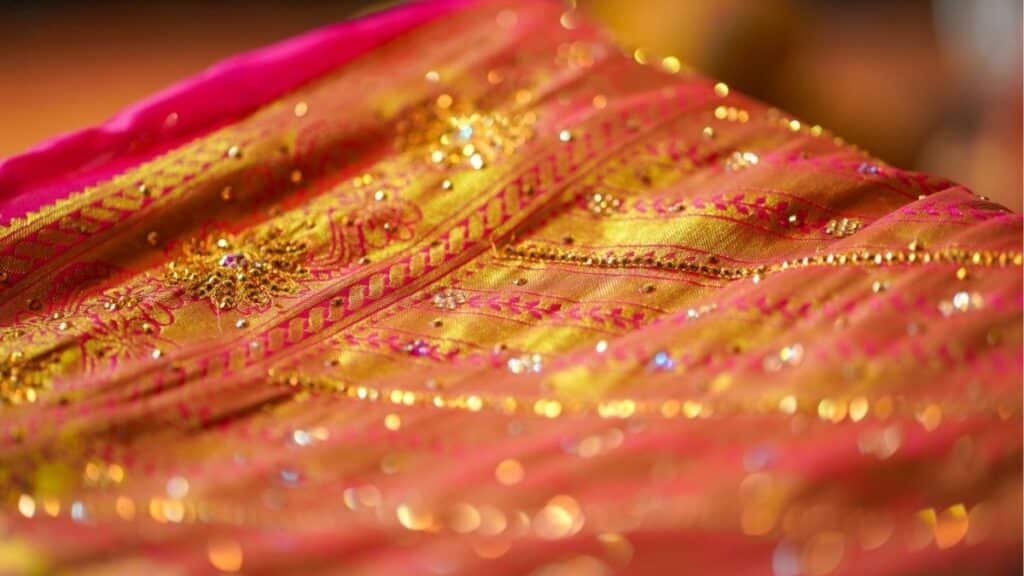
All-over sequin work or ombre stone effects on net, organza, and georgette create dimension and movement. The current trend favors strategic placement over complete coverage—embellishments that catch light without overwhelming the fabric or the wearer. This approach creates interest without the weight and stiffness that came with heavily worked sarees of previous years.
For evening events, sequin work means you can skip elaborate jewelry and still look polished. The embellishments do the heavy lifting, leaving you comfortable enough to actually enjoy the celebration rather than counting down until you can change into comfortable clothes.
Threadwork: Artisan Craft Meets Modern Appeal
Intricate thread and zari work on silk, tissue, and georgette brings artisanal quality without excessive formality. This embellishment style bridges traditional craftsmanship with contemporary aesthetics—important for those who want to support traditional arts while wearing sarees that feel current. Thread work adds texture and interest that photographs beautifully, creating depth in images that solid fabrics can’t match.
These sarees often become conversation pieces, offering opportunities to discuss regional craft traditions and support for artisan communities—meaningful when fashion choices reflect values.
Mirror Work: Shimmer With Cultural Context
Mirror work, or shisha embroidery, adds modern shimmer to silk sarees while maintaining clear cultural roots. It’s having a revival moment, appearing in unexpected places like georgette and tissue rather than exclusively on traditional fabrics. This embellishment catches light beautifully and photographs distinctly, creating memorable looks without requiring trend-chasing accessories.

Modern Styling: Where Tradition Meets Personal Expression
Unconventional Blouses: Rewriting the Rules
Off-shoulder blouses, crop tops, and designer patterns have transformed from experimental to expected. These styling choices let you personalize traditional wear without altering the saree itself—practical when you’re building a versatile wardrobe or wearing borrowed/rented pieces for specific events. A single saree paired with different blouse styles can create entirely distinct looks, maximizing wardrobe flexibility when closet space is limited.
Contemporary blouses also make sarees more approachable for those who didn’t grow up wearing them regularly. An off-shoulder blouse feels familiar to Western formal wear, reducing the psychological barrier of wearing something that might feel “too ethnic” in mixed cultural settings.
Modern Drapes: Experimentation Encouraged
New draping techniques are making traditional sarees feel fresh. From dhoti-style drapes to pant sarees to innovative pinning methods, these approaches reduce the intimidation factor while creating distinctive looks. Pre-learning a modern drape means you can recreate it reliably, rather than depending on someone else’s help at every event.
These draping innovations particularly appeal to those balancing multiple cultural contexts—wearing sarees to Indian events while maintaining a contemporary aesthetic that doesn’t feel like playing dress-up.
Fusion Elements: The Best of All Worlds
Banarasi borders on cotton bodies, contemporary prints on silk bases, or traditional motifs on modern silhouettes create fusion pieces that honor multiple aesthetics simultaneously. These sarees work for occasions where you’re navigating between different cultural expectations—events where traditional elders and modern cousins will both be in attendance, or professional contexts where you want ethnic wear that doesn’t read as costume.
Fusion styling offers permission to experiment without abandoning tradition, creating space for personal expression within cultural frameworks.
Where to Find These Trending Sarees
Online Shopping for Diaspora
Indian e-commerce sites now offer international shipping, though delivery times and customs considerations vary. Look for retailers with clear return policies and accurate size information. Many diaspora-focused boutiques curate collections specifically for NRI customers, understanding the need for pieces that travel well and suit Western closets.
Local Indian Boutiques
Most major cities with Indian populations have boutiques stocking contemporary sarees. These offer the advantage of seeing fabrics in person, trying draping styles, and building relationships with shopkeepers who understand your specific needs. Local shops often carry pieces suited to regional diaspora preferences—different trends emerge in UK versus US versus Australian Indian communities.
During India Visits
Many diaspora members build saree collections during home visits, taking advantage of better selection and pricing. This approach works well for building a foundational wardrobe, though spontaneous event needs still require accessible local options. When shopping in India, consider weight and packability—what seems manageable in a boutique becomes relevant when confronting airline luggage limits
What fabrics are trending for sarees?
Organza, georgette, tissue, and chiffon are leading choices for their lightweight, breathable qualities.
Are pre-stitched sarees fashionable?
Yes, they’ve become genuinely trendy with modern drapes and comfortable construction.
What colors are popular for sarees this year?
Pastels for daytime, jewel tones for evening, metallics for parties, and bold prints for contemporary statements.
