


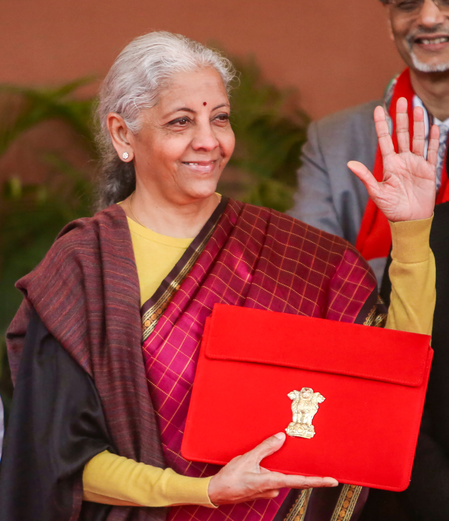
The Union Budget 2026-27, presented by Finance Minister Nirmala Sitharaman, aims to accelerate growth, enhance resilience, and promote inclusive development. It emphasizes boosting manufacturing, infrastructure, energy security, and social welfare through a combination of reforms and targeted investments. The budget also aims to position India as a global leader in innovation and production by supporting strategic sectors like semiconductors, bio-pharma, textiles, and rare earths.
With a focus on ease of living, education, healthcare, and sustainability, the budget strikes a balance between economic ambition and social responsibility. Over the past 12 years, India’s economy has shown steady growth and low inflation, driven by focused reforms under the government. The budget includes more than 350 reforms implemented since Independence Day 2025, such as GST simplification, Labor Codes notification, and Quality Control Orders rationalization.
The budget sets a record public capital expenditure of Rs 12.2 lakh crore, the highest ever, with a special emphasis on public capital expenditure as a percentage of GDP. It also includes initiatives like the launch of a new Dedicated Freight Corridor, operationalization of new National Waterways, and the introduction of a Coastal Cargo Promotion Scheme. Additionally, the budget focuses on investment in Carbon Capture Utilization and Storage (CCUS) technologies, development of City Economic Regions (CERs), and the creation of High-Speed Rail corridors.
